
📓THE FASHION HEADS: PATRICK LAZOL
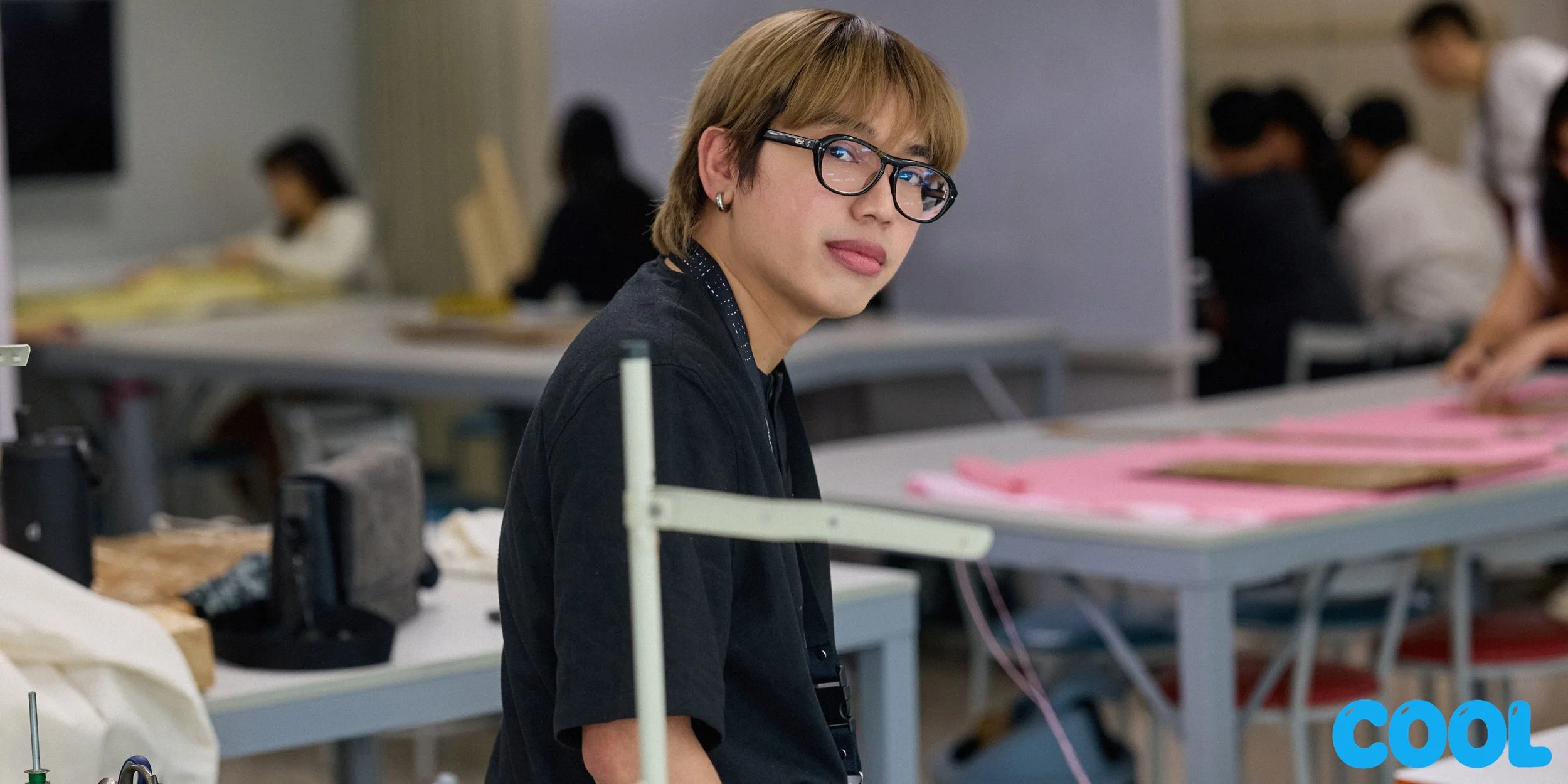
SIX SCHOOLS. SIX VISIONS. ONE GOAL: TO TEACH FUTURE CREATIVES.
Behind every fashion school is someone keeping the machines running, the minds thinking, the deadlines moving, and—most importantly—the creative spirit alive. Meet the fashion heads shaping the classrooms where tomorrow’s Filipino designers learn to sketch, drape, sew, question, experiment, and, eventually, find their own voice.
For this edition of COOL Burn Book, we meet six of the people shaping Philippine fashion education—from a motherly chairperson and a former model to a Draping Queen, a self-confessed anti-organza academic head, and directors who believe that discipline, technical mastery, business acumen, and creativity are all essential parts of a fashion designer’s survival kit.
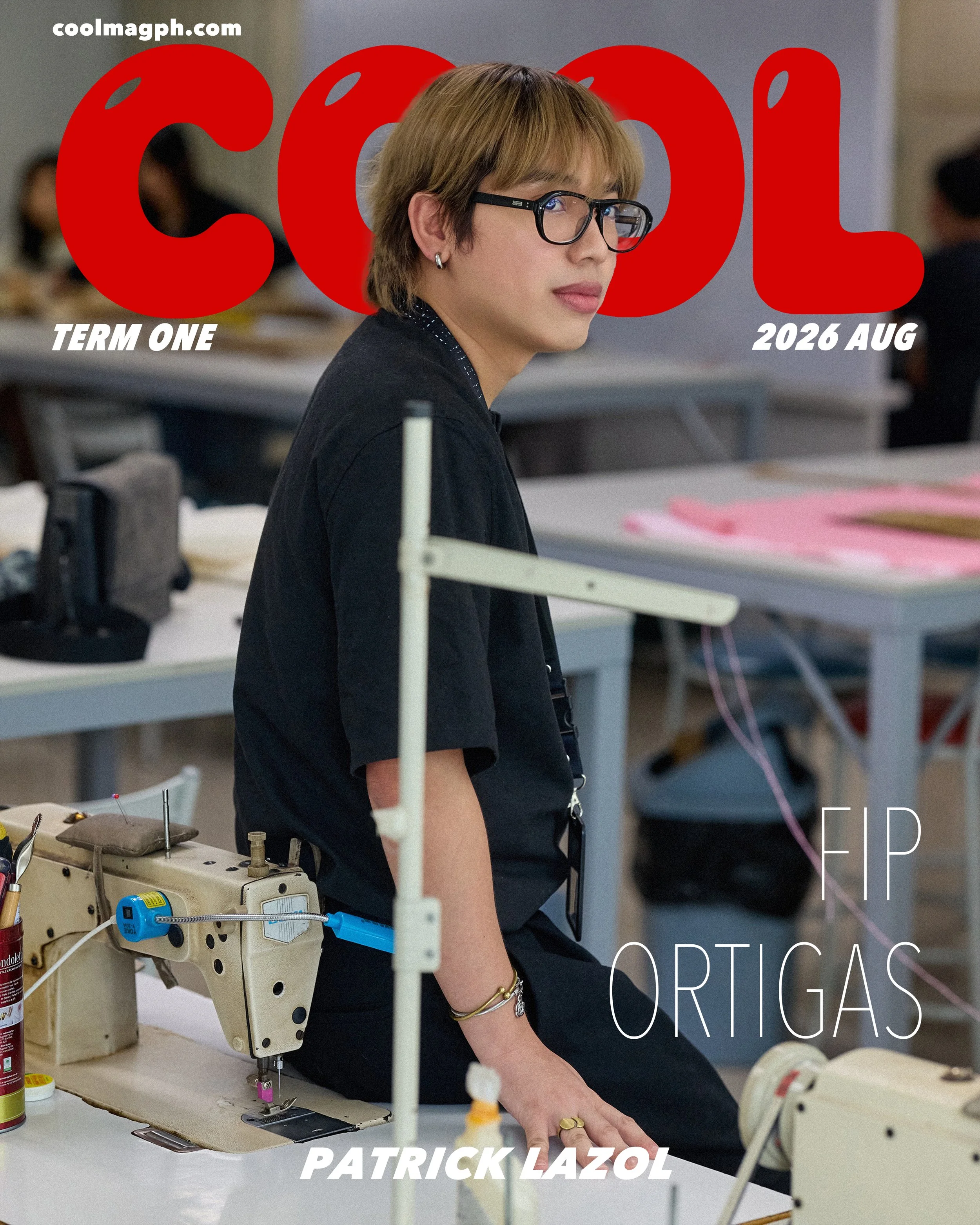
Director Patrick Lazol describes himself as stoic at work but happy by nature—and perhaps a little too serious about fashion. His personal style pulls references from Off Jumpol and Troye Sivan, filtered through Filipino sensibilities. His love for strong-shouldered, oversized blazers says plenty about his approach: know your foundations, then learn how to work them.
For Patrick, a great student understands the basics and, eventually, learns how to break them. Creativity and technical skills matter, but continuous learning, discipline, and the willingness to stay sharp are what keep a designer moving forward. And if there is one thing he wants students to understand early, it is this: talent needs a business plan to survive.
With 23 years of fashion education, FIP Ortigas takes a learn-by-doing approach, giving students hands-on experience in patternmaking, cutting, sewing, and design while encouraging individual creative vision. Patrick believes graduates need more than technical or creative ability—they need business acumen, from pricing and promotion to understanding costs and building a sustainable brand.
He sees the next generation as bolder and more fearless, particularly Gen Z designers who are embracing fashion as pure expression without hesitation. As AI continues to reshape the industry, students are encouraged to use it as a tool, not a crutch. And his ultimate reminder? Do not lose sight of the end goal. The journey may change, but never forget your purpose.
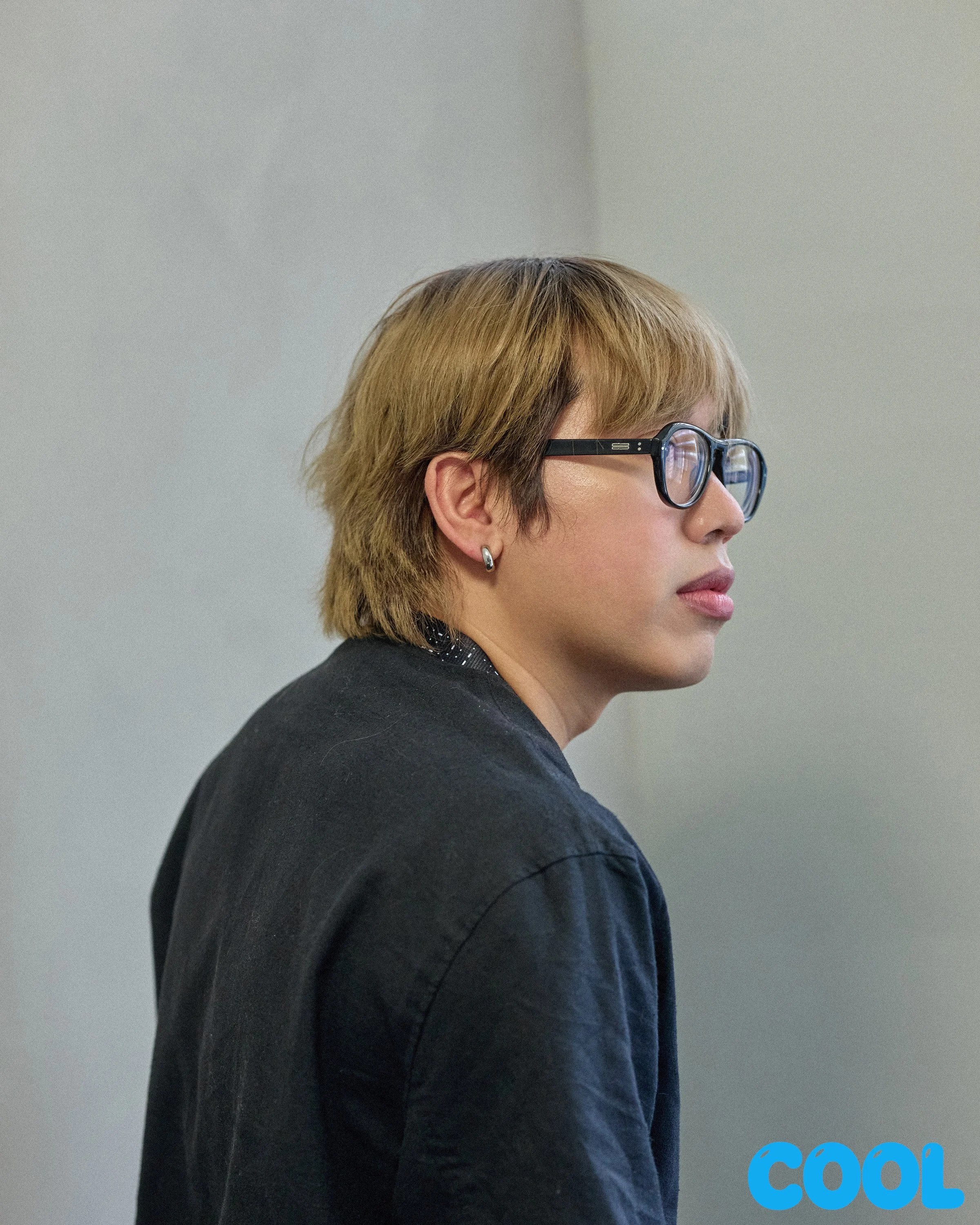
Full Name: Patrick Lazol
Nickname: Patrick
Position: Director
School: FIP Ortigas Main
SLAMBOOK QUESTIONS
Three words students would use to describe you. Low key, appears stoic when working but with a happy disposition, and sometimes too serious about fashion
Coffee, tea, or energy drink during deadlines? Coffee, always, everyday, first thing in the morning
A trend you secretly love? The 2000s trend cause its the same clothes I was wearing growing up (not that i am that old na! :) )
Your fashion icon? Too many to mention. Personal style - Off Jumpol, Troye Sivan but meets Filipino Sensibilities
Your favorite designer of all time? Looking at romantic designers - Rocha, PierPaolo, Monsieur Dior and Matthieu Blazy.
One wardrobe staple you can't live without? An oversized blazer with strong shoulders (can be pared up and down)
The best fashion advice you've ever received? Trust what your gut tells you.
Favorite comfort food after a stressful week? Something light yet filling - samgyupsal.
Weekend plans: sleep, shopping, museum, or beach? Sleeping all day esp on Sundays
Hidden talent outside of fashion? I used to dance a lot and play classical piano.
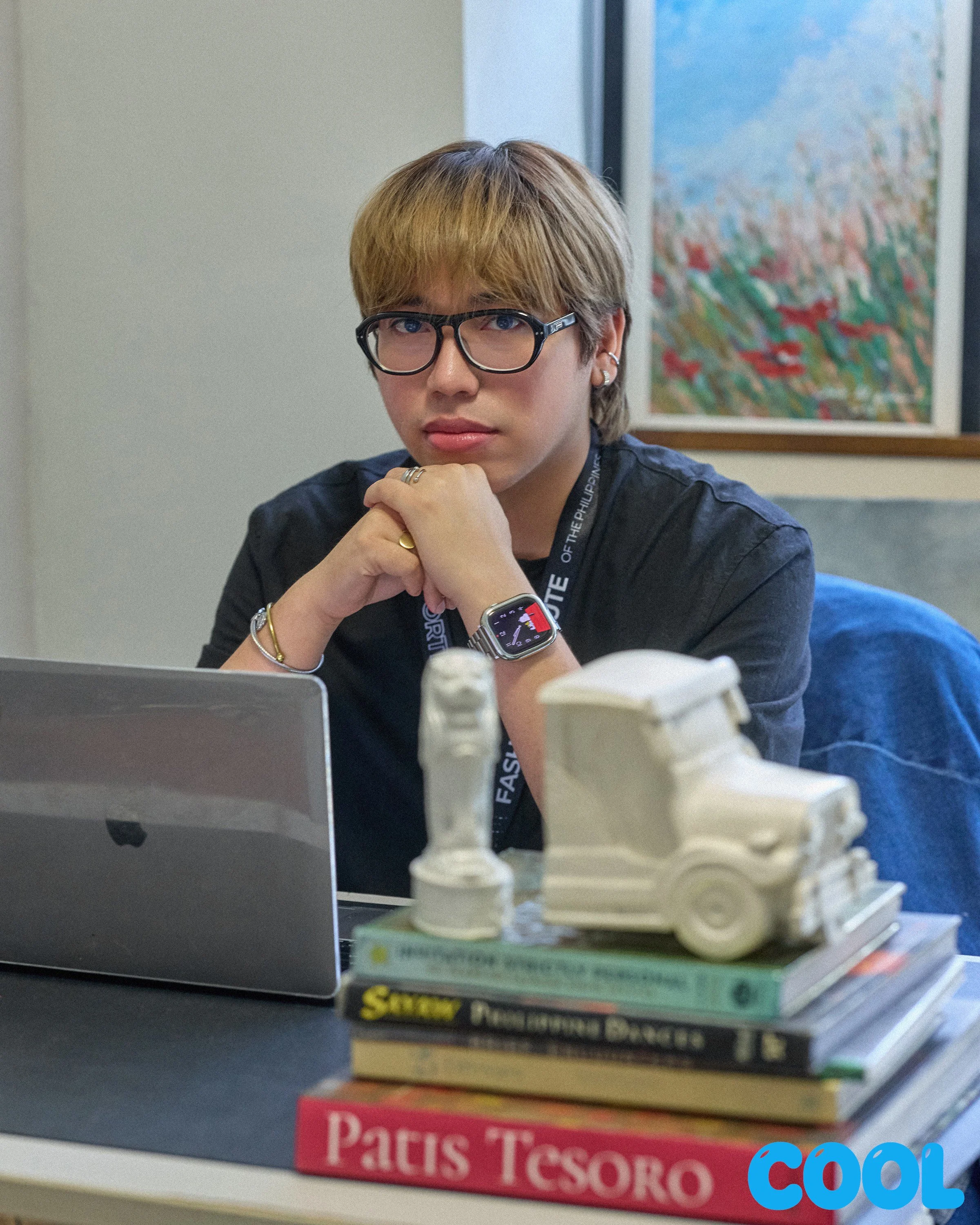
“It’s understandable why people see that fashion is easy. There’s a lot of “show” in the industry—the lights, the glamour, the glitz—and that can be blinding. People often see only the finished product.”
SIX SCHOOLS. ONE GOAL.
Different classrooms. Different personalities. Different philosophies.
But ask these six fashion heads what they ultimately want from their students, and their answers begin to look remarkably similar. They want young creatives who know their craft but aren’t afraid to question it. Designers who can dream—and execute. Creatives who understand that fashion is art, business, culture, technology, and hard work, all stitched together. Most importantly, they want students who can enter the industry with something no curriculum can simply hand them: a voice of their own.
Because the future of Philippine fashion isn’t going to look like just one thing. It will be global and local, technical and experimental, traditional and disruptive, circular, conscious, digital, handmade, and completely unexpected. And somewhere right now, the next generation is sitting in a classroom—cutting fabric, refining a pattern, sketching an idea, questioning a critique, or staying up far too late to meet a deadline.
The fashion heads are watching. And they’re ready to teach them how to make it happen.#CoolisinSession #CoolBurnBook
