
WE ARE THE CARTOON HEROES
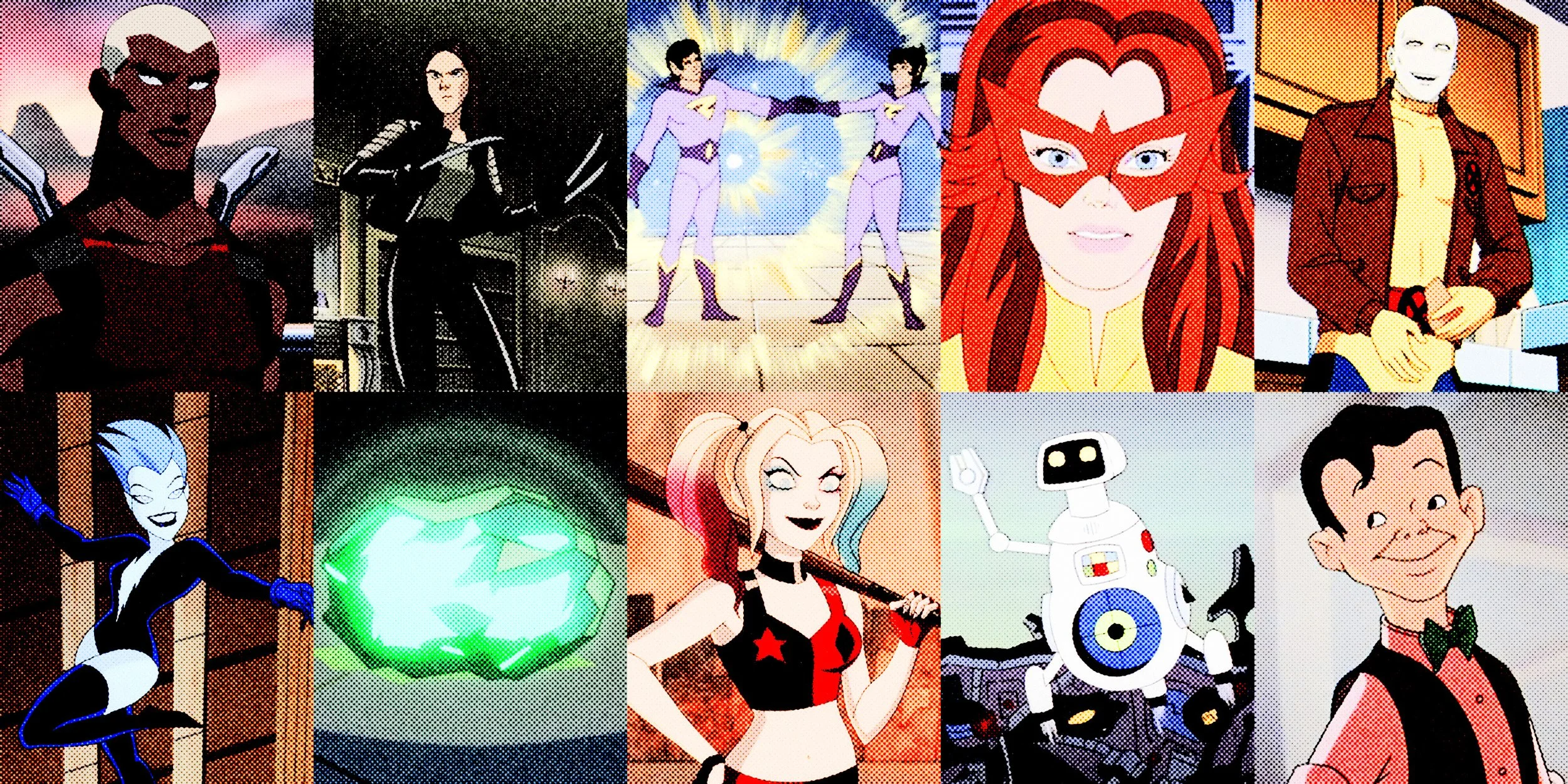
Throughout superhero history, television didn’t just adapt comic book characters — they created new ones. These characters were often invented to solve storytelling problems or appeal to younger audiences (remembering Saturday Morning Shows). Many of these characters became lasting parts of superhero lore.
Let’s take a look at some of the most memorable superheroes who started on screens instead of pages.
The Very Beginning / Radio Additions:
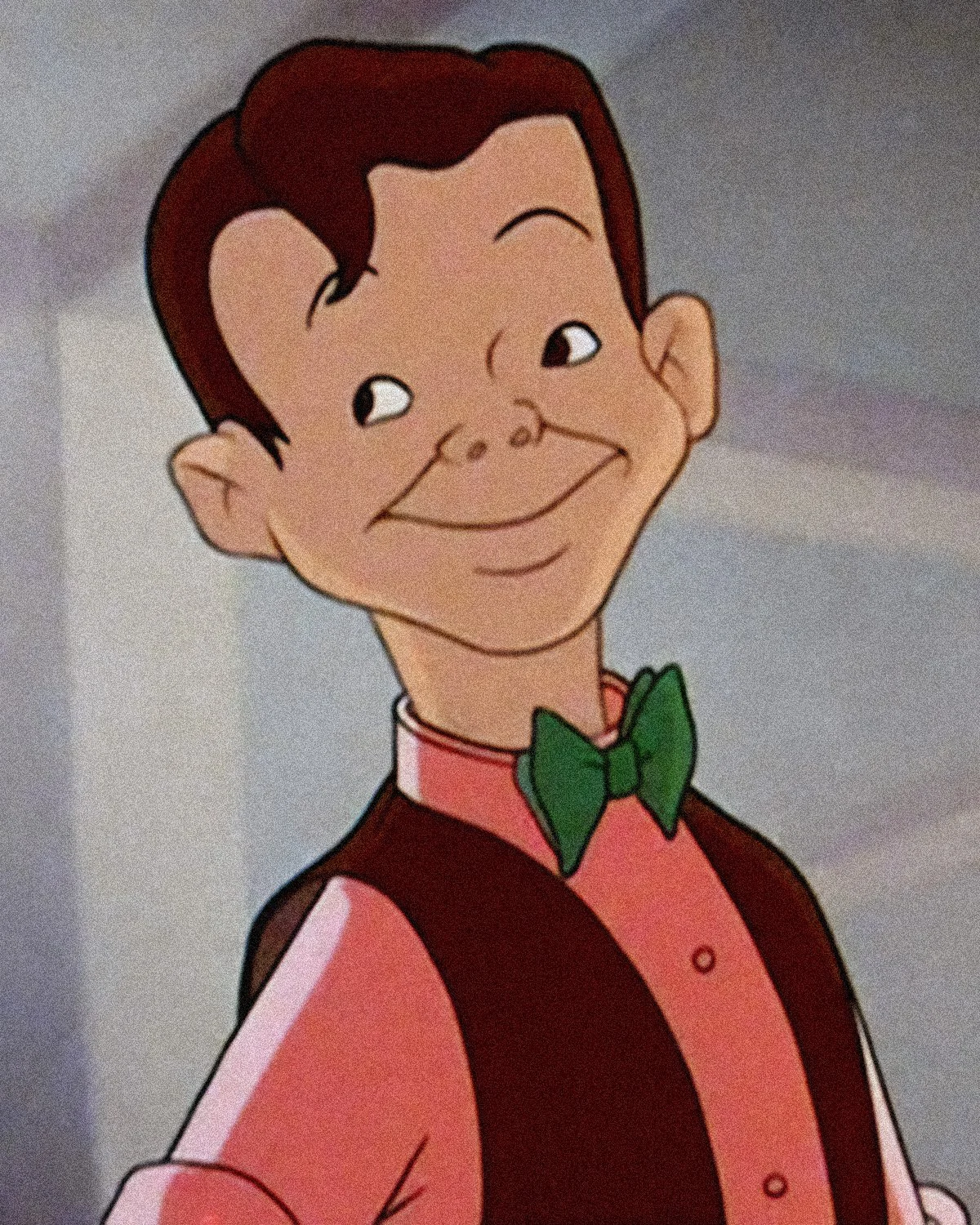
Jimmy Olsen
Created for the Superman radio show, Jimmy gave Superman someone to talk to and a relatable human connection. His popularity quickly secured him a permanent place in the comics.
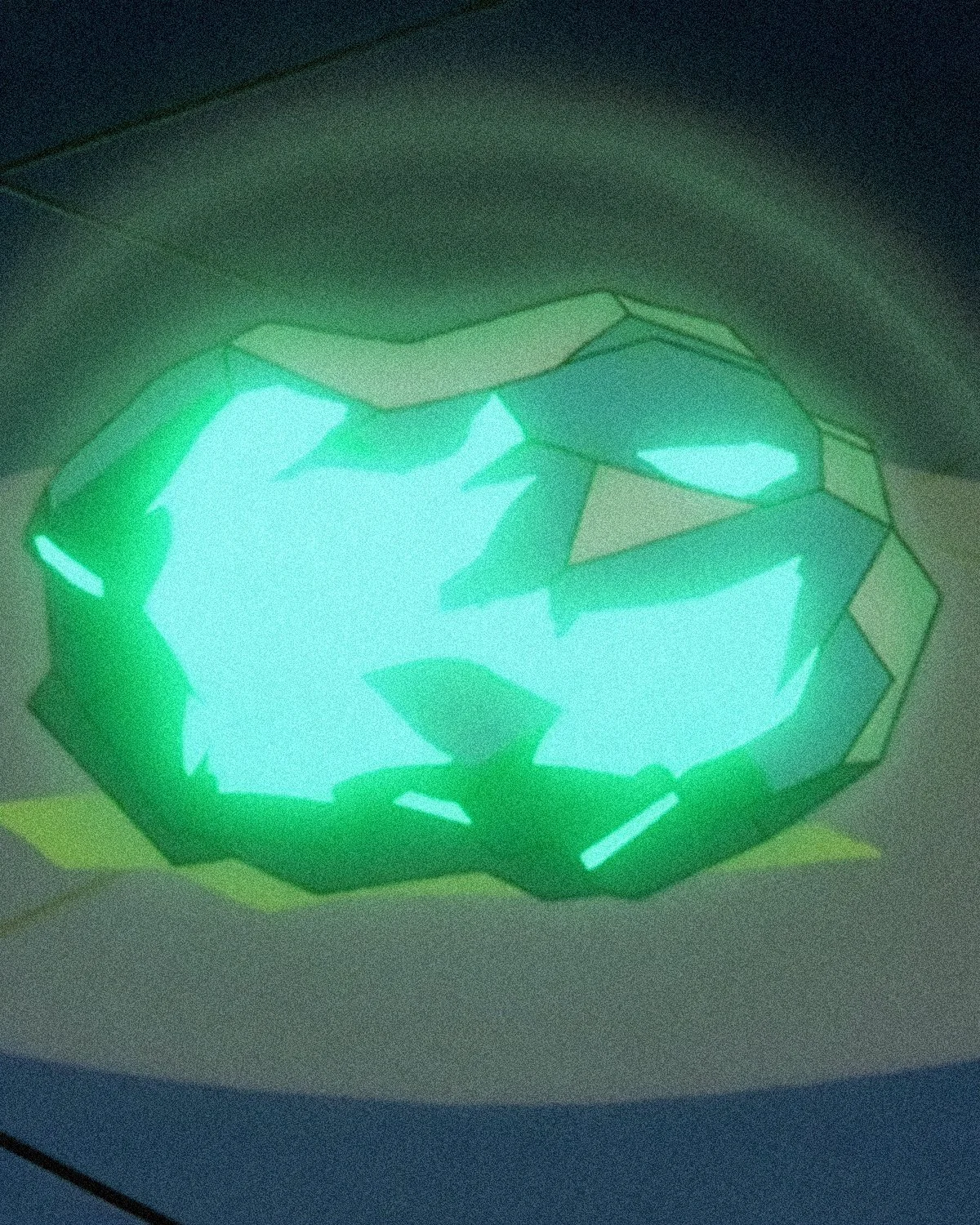
Kryptonite
Kryptonite was introduced on the radio show to weaken Superman and create believable tension. It later became one of the most iconic elements of Superman mythology.
Misuntderstood Anti-Heroines:
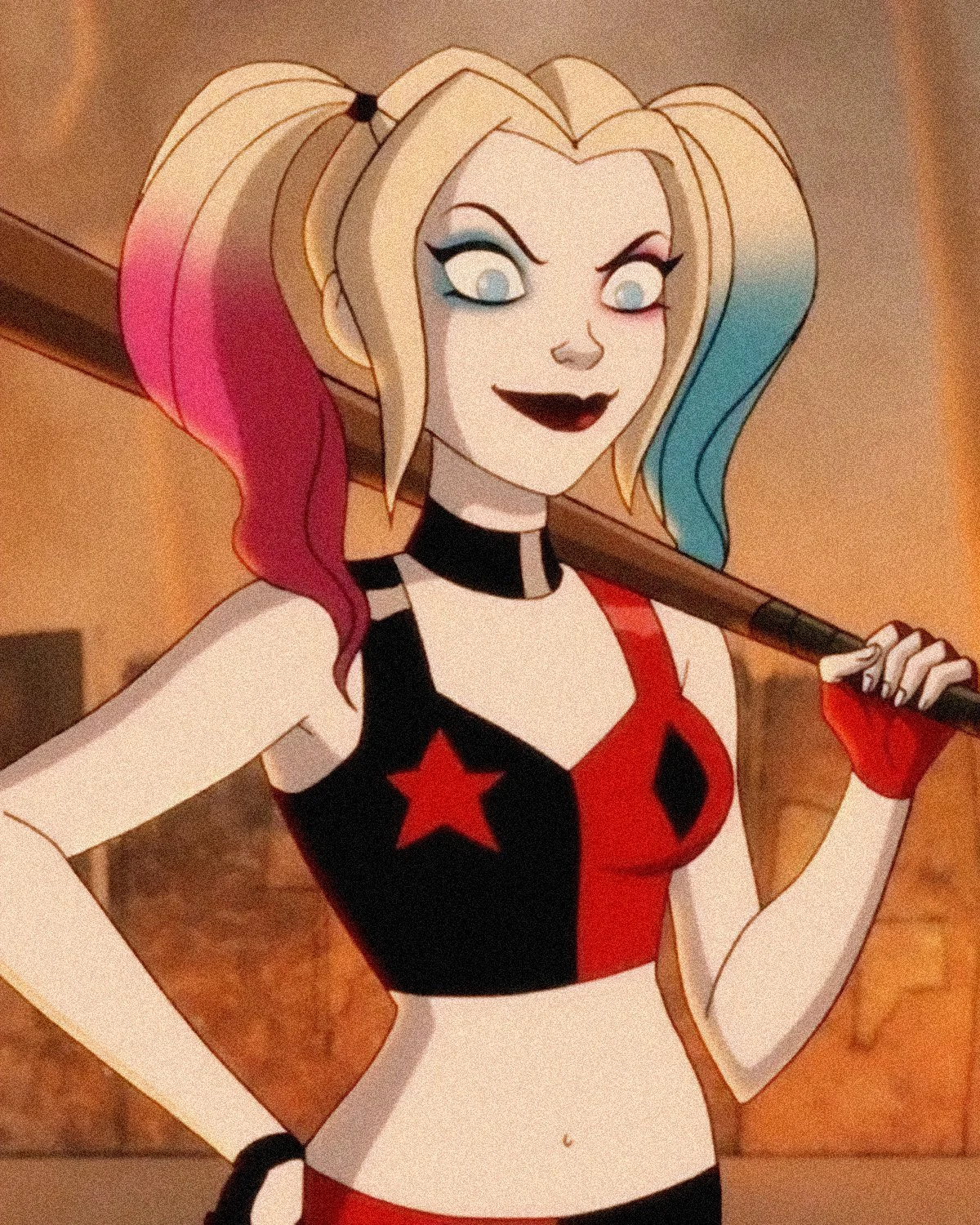
Harley Quinn
Originally created for Batman: The Animated Series as the Joker’s comedic henchwoman, Harley Quinn immediately stood out. Fan enthusiasm propelled her into comics, films, and solo fame. Her evolving makeover became iconic among cosplayers worldwide.
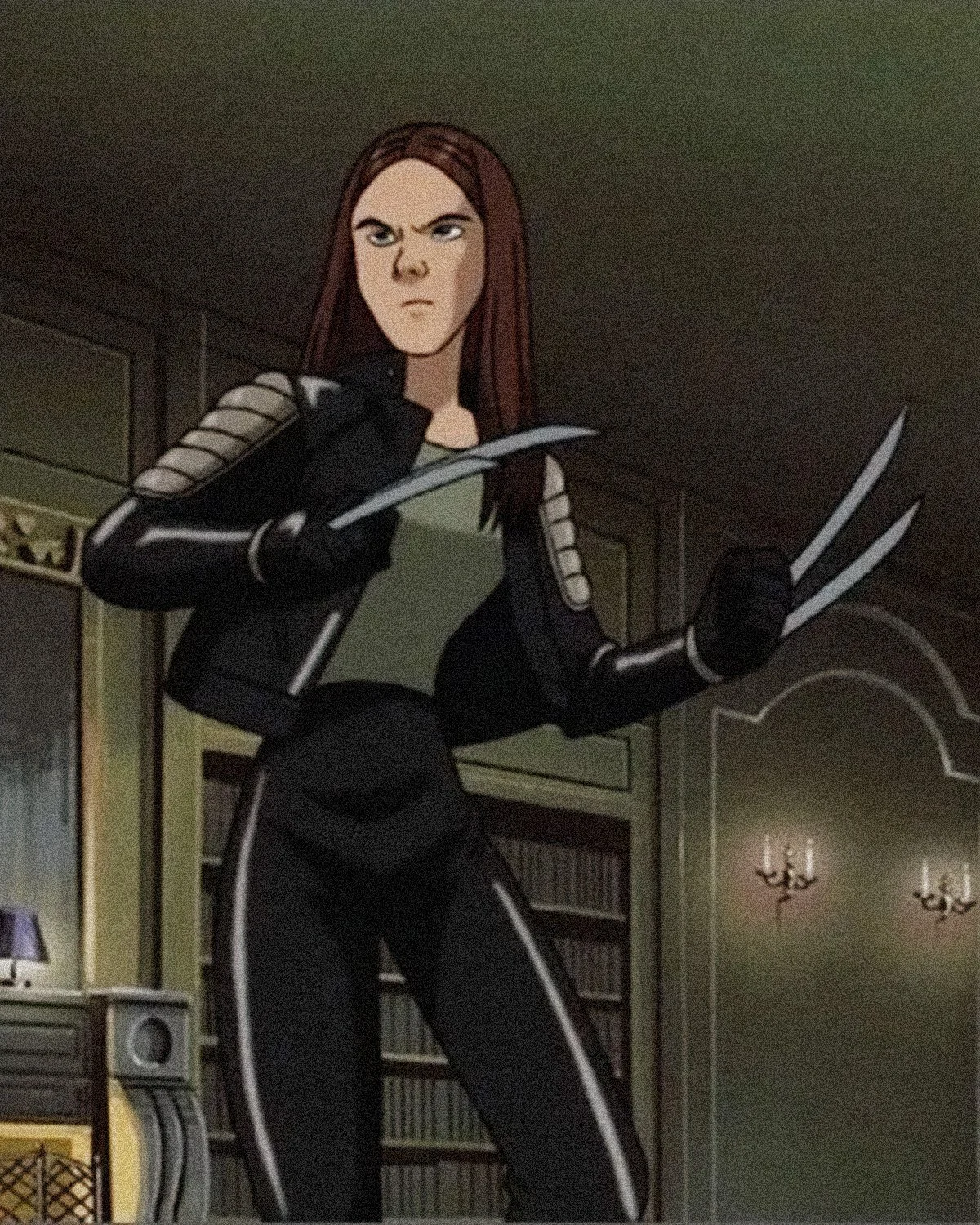
X-23
First appearing in X-Men: Evolution, X-23 was created as a female clone of Wolverine to explore his legacy through a younger character. Her emotional depth helped her grow into a major Marvel hero.
Human Torch Understudies:
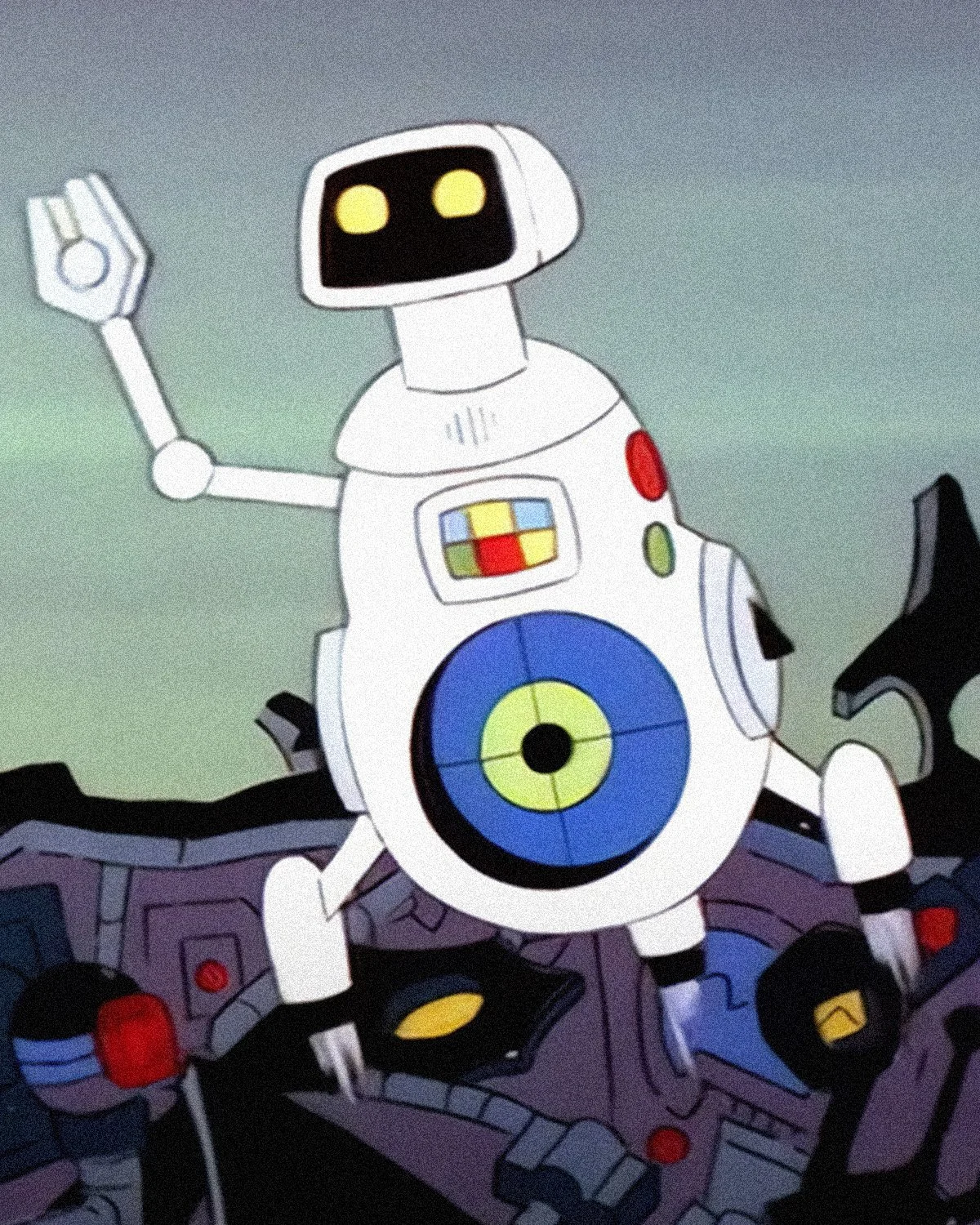
H.E.R.B.I.E.
H.E.R.B.I.E. replaced the Human Torch as a friendly robot companion meant to appeal to kids. He later became a recurring character across Marvel media.
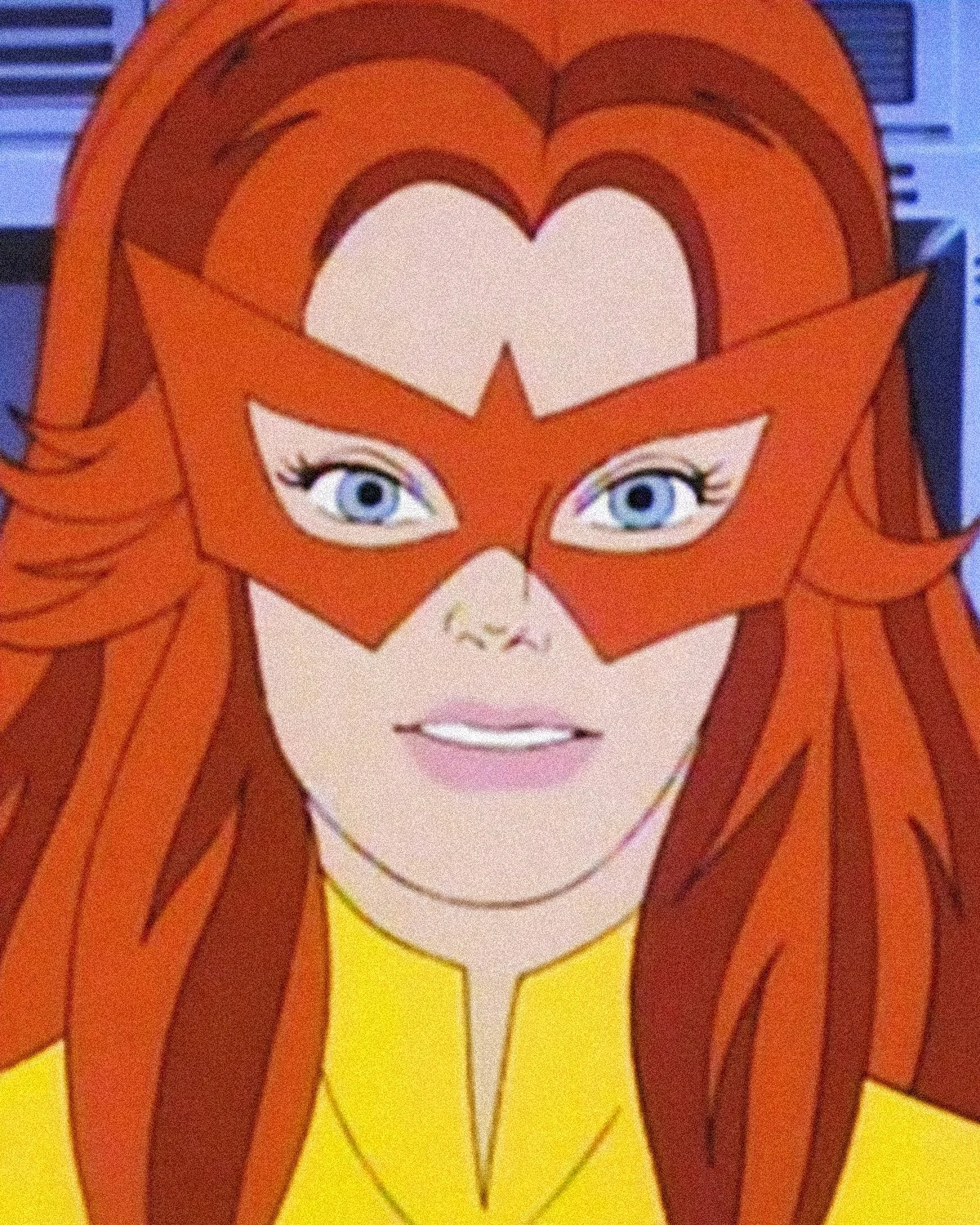
Firestar
Firestar was created for Spider-Man and His Amazing Friends due to licensing restrictions on the Human Torch. Firestar became so popular she joined the X-Men in comics.
Evolutions / Comebacks:
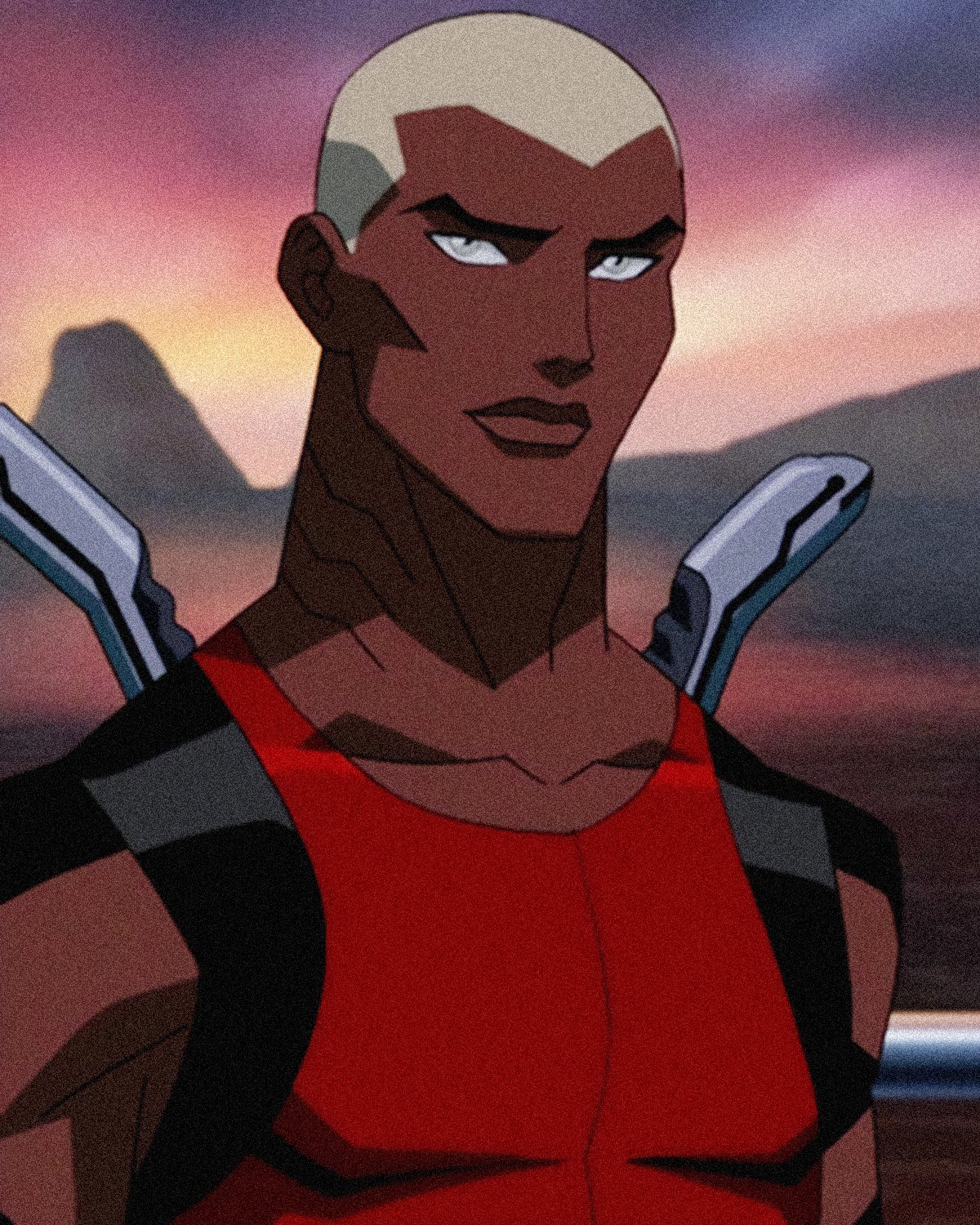
Aqualad
Aqualad was introduced in animated series to give Aquaman a sidekick and make underwater stories more accessible. Young Justice transformed him into a layered and capable leader.
Morph
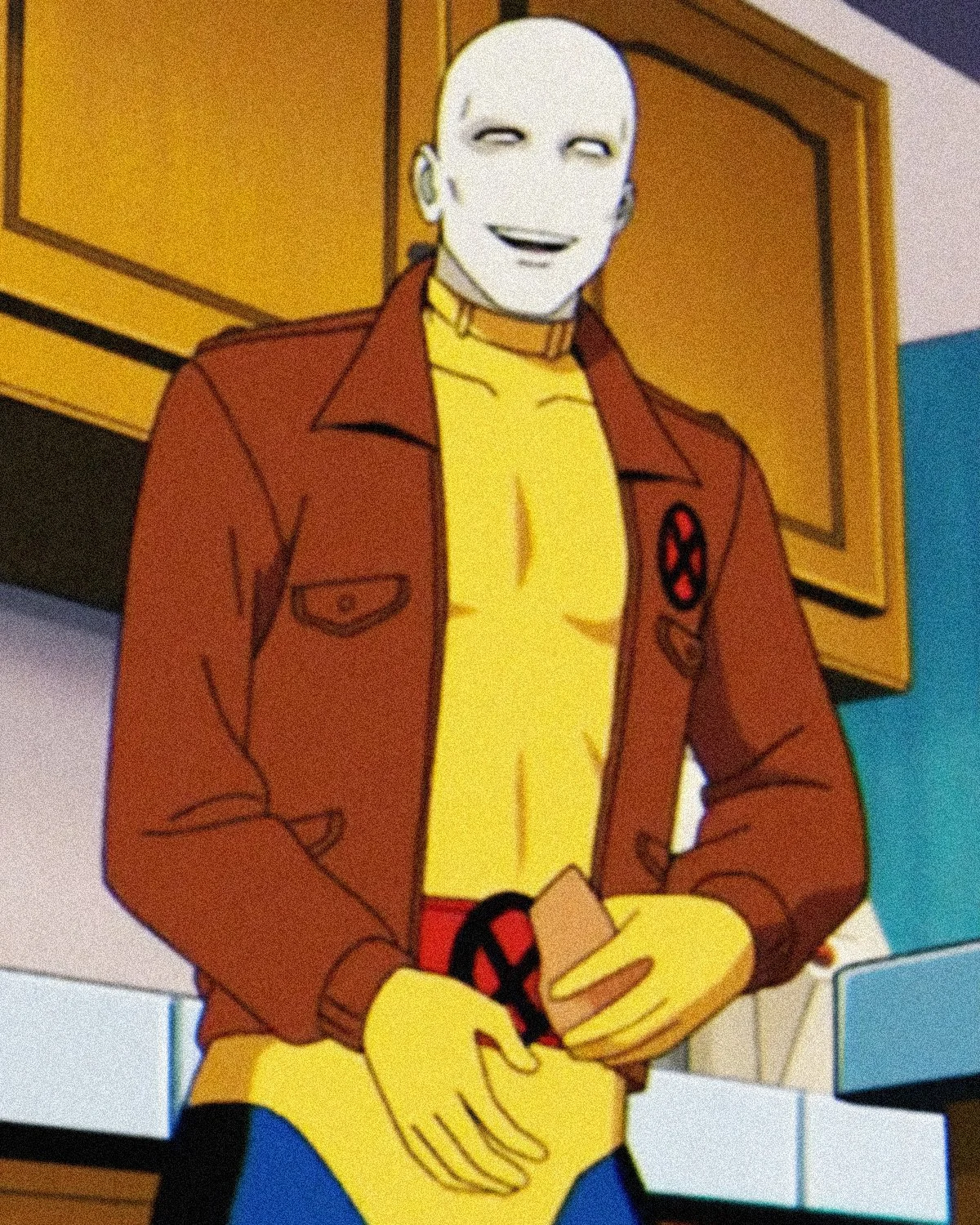
Morph was created for X-Men: The Animated Series to add humor and emotional stakes. His tragic arc and eventual return made him unforgettable, they even gave him a facelift and more airtime in X-Men ’97.
Suitable for Younger Audience:
Livewire
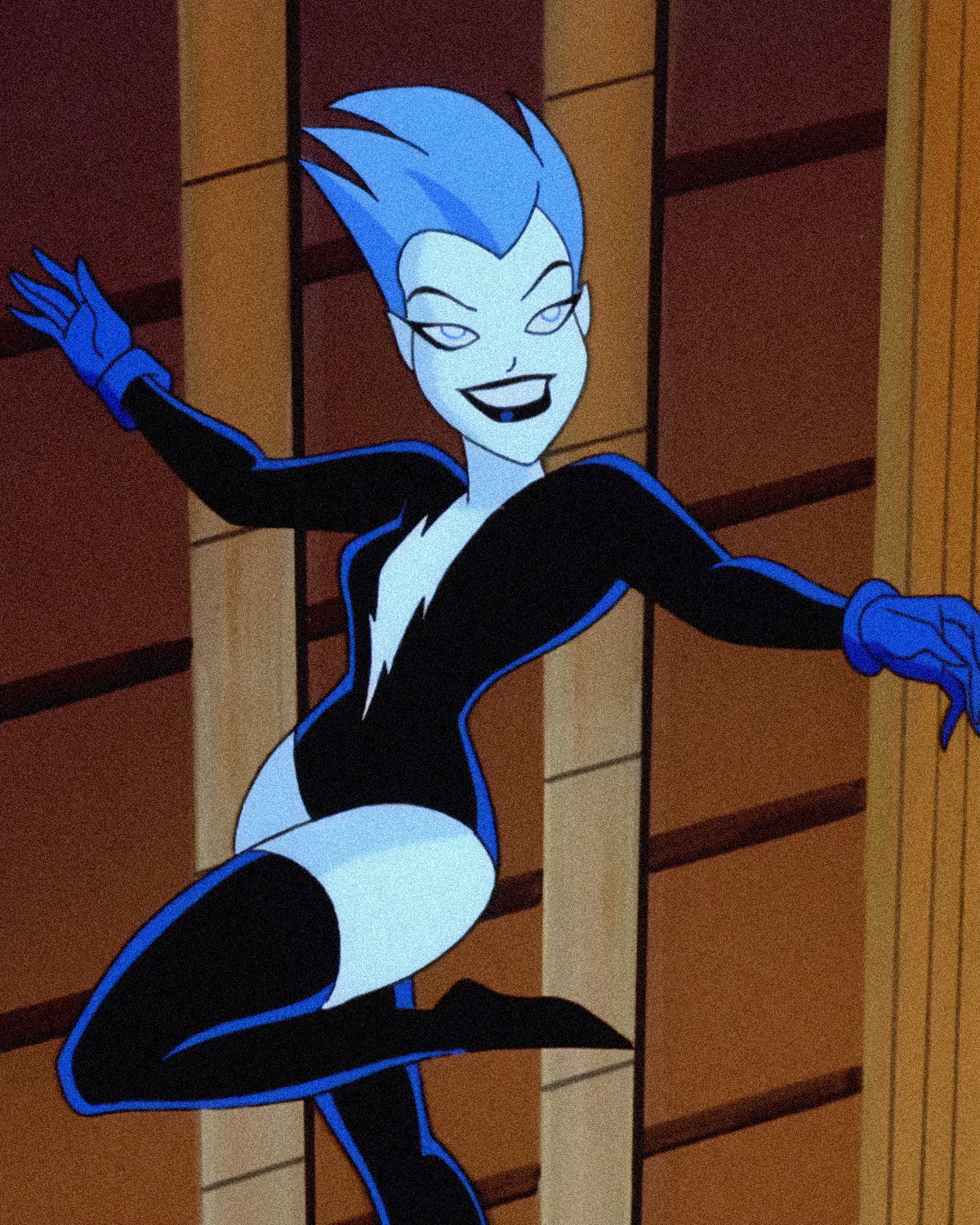
Livewire debuted in Superman: The Animated Series as a modern edgy villain inspired by media culture. She became so popular she crossed into comics and games, proving villains created for TV can stick just as hard as heroes.
Wonder Twins
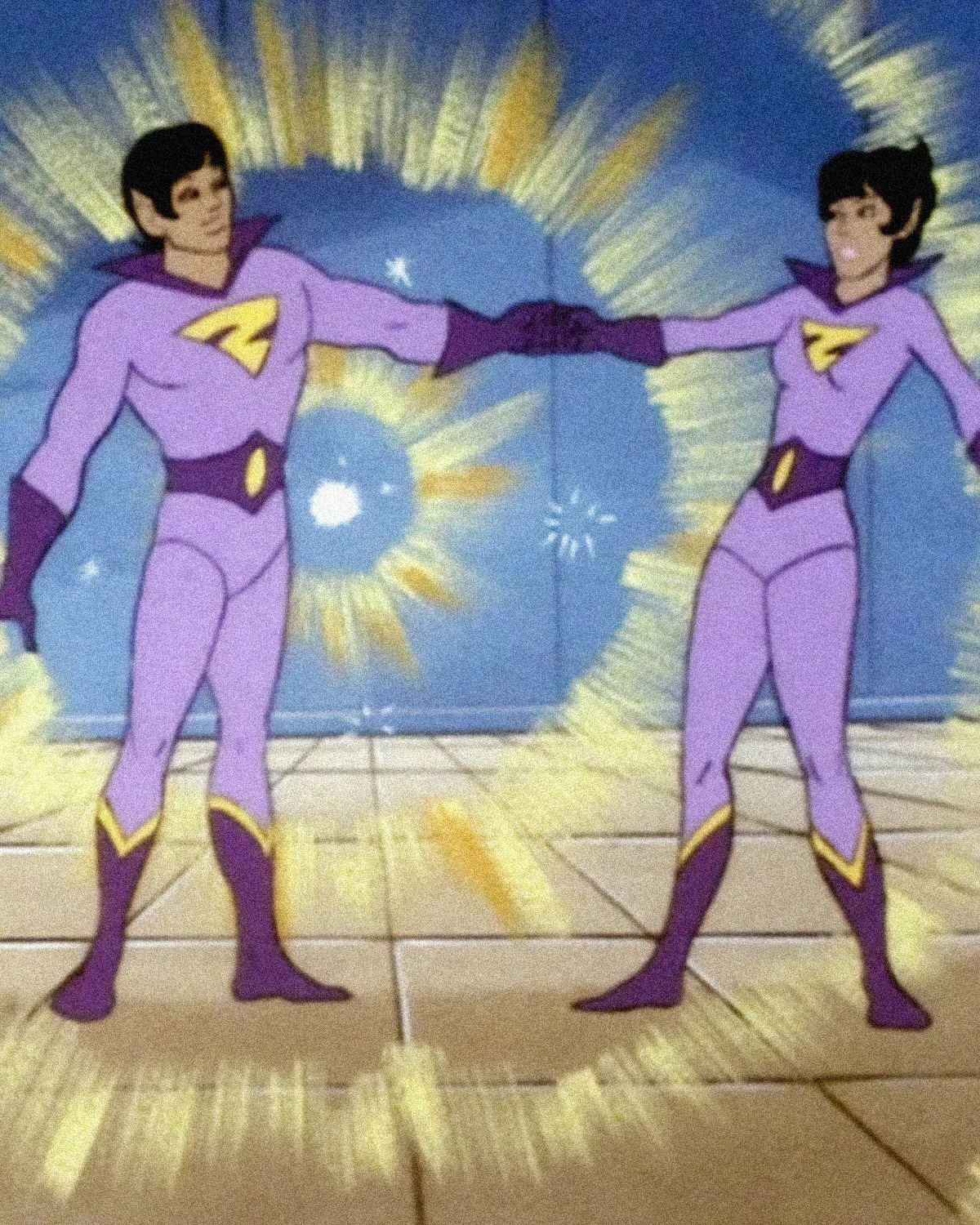
Created for Super Friends, the Wonder Twins emphasized teamwork and simple powers for younger viewers. Over time, they became nostalgic and camp icon characters. Animal transformations = instant fun.
These characters prove that Superhero (or Anti-Heroes) history isn’t shaped by comics alone — television have played a huge role in expanding these universes. What began as sidekicks, super hero problems or creative solutions often turned into characters that fans couldn’t imagine losing. #CoolisinSession #CoolNERD
