
ONCE BITTEN, TWICE SHY
Some vampire stories are about surviving the night. Anne Rice's are about surviving love.
Long before vampires sparkled in the sun or became supernatural detectives and high school crushes, Anne Rice transformed them into something far more seductive: immortal beings driven not simply by hunger, but by loneliness, beauty, philosophy, and impossible desire. Her 1976 novel Interview with the Vampire redefined modern vampire fiction, proving that monsters could be vulnerable, romantic, and devastatingly human.
AMC's Interview with the Vampire understands that legacy better than any adaptation before it.
While the 1994 film starring Tom Cruise and Brad Pitt remains iconic, it could only hint at what Rice placed on the page. The longing between Louis de Pointe du Lac and Lestat de Lioncourt was softened by the limits of its era, existing mostly through glances, subtext, and suggestion. The television series finally removes that veil. Their relationship isn't implied anymore. It is the story.
Of course, television has never lacked sexy vampires. True Blood turned bloodlust into campy Southern melodrama filled with outrageous hookups and supernatural chaos. The Vampire Diaries thrived on love triangles, teenage angst, and eternal devotion. Even Buffy the Vampire Slayer gave us tortured romances that shaped an entire generation.
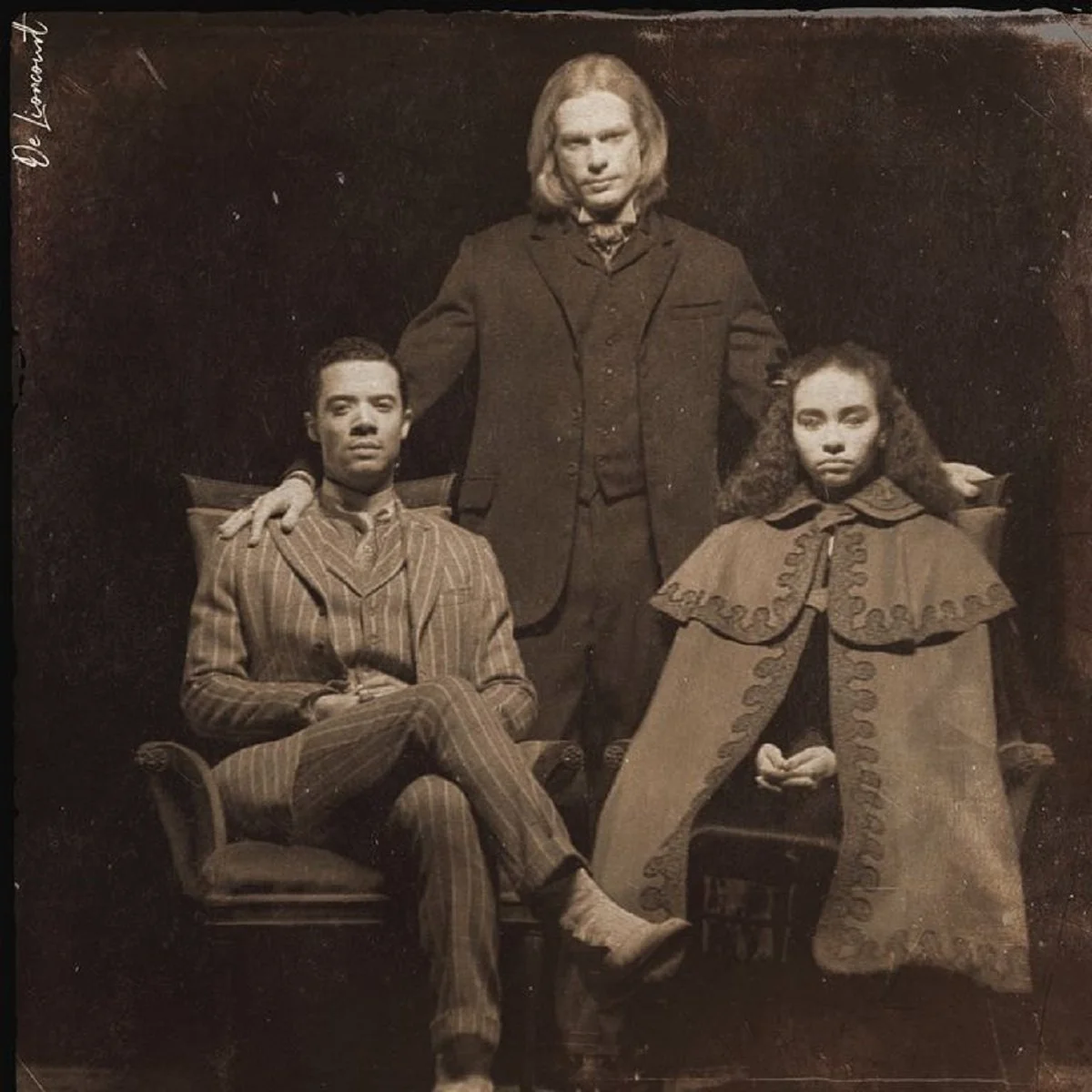
But Interview with the Vampire plays an entirely different game.
Sex exists here, but it is never the destination. Instead, intimacy becomes another language for power, grief, dependence, forgiveness, and betrayal. Blood functions as both nourishment and affection. Violence often replaces conversation. Love itself becomes a curse that refuses to die.
At first glance, Louis and Lestat might resemble a modern BL romance because they are two men whose relationship sits at the emotional center of the story. Yet reducing them to labels misses Anne Rice's larger point.
Decades before words like non-binary or gender fluid entered mainstream conversations, Anne Rice imagined vampires who had already transcended those boundaries. In The Vampire Chronicles, immortality strips away many of the identities that define human life—including rigid ideas about gender and sexuality. Louis, Lestat, and the other vampires fall in love with souls rather than sexes, pursuing beauty, companionship, and emotional intimacy wherever they find it. In many ways, they feel like the original "beyond the binary" characters—not because Rice used today's terminology, but because she created beings who simply refused to fit inside human labels.
That emotional freedom makes Louis and Lestat one of television's most compelling couples. They're lovers, enemies, family, rivals, and each other's greatest weakness all at once. Every reconciliation feels inevitable. Every betrayal cuts even deeper because they know each other too well to wound by accident.
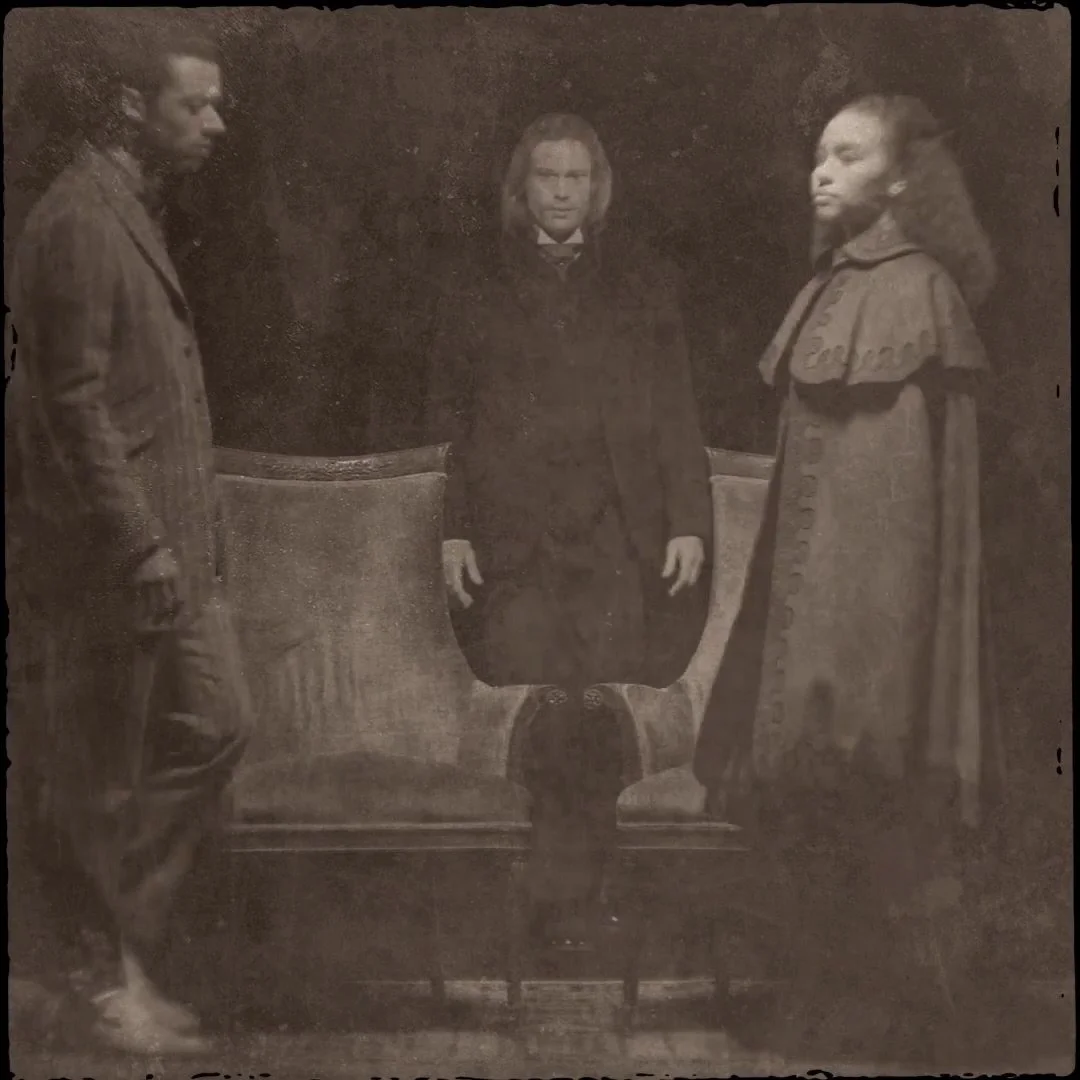
The series also embraces the lavish theatricality that has always surrounded Lestat. Season 3 shifts its attention almost entirely toward the Brat Prince himself, adapting The Vampire Lestat as he reinvents himself as an international rock star. It's the perfect evolution for someone whose vanity is only matched by his charisma. Onstage, Lestat transforms concerts into feeding grounds where celebrity, performance, obsession, and vampirism become one dazzling spectacle. The rock music isn't just a gimmick—it's another way for him to seduce the world.
Perhaps that's why Interview with the Vampire has become one of television's finest gothic romances. It understands that the greatest vampire stories have never really been about immortality. They're about wanting someone so completely that even eternity isn't enough.
And the story is only getting bigger.
AMC has already renewed the series for Season 4, adapting Anne Rice's The Queen of the Damned. No, not Aaliyah's unforgettable version this time, but another chance to dive deeper into Rice's sprawling Vampire Chronicles and finally meet the legendary Queen Akasha in this new universe.
If the first three seasons taught us anything, it's that immortality is messy, love is eternal, and heartbreak only becomes more dangerous with time.
We'll be there the moment the coffin opens. Who's excited? #CoolisinSession
