
REACTION PAPER: DEVIL WEARS PRADA
A week after watching The Devil Wears Prada, what part of the film feels most uncomfortably close to your fashion-industry experience? #CoolisinSession
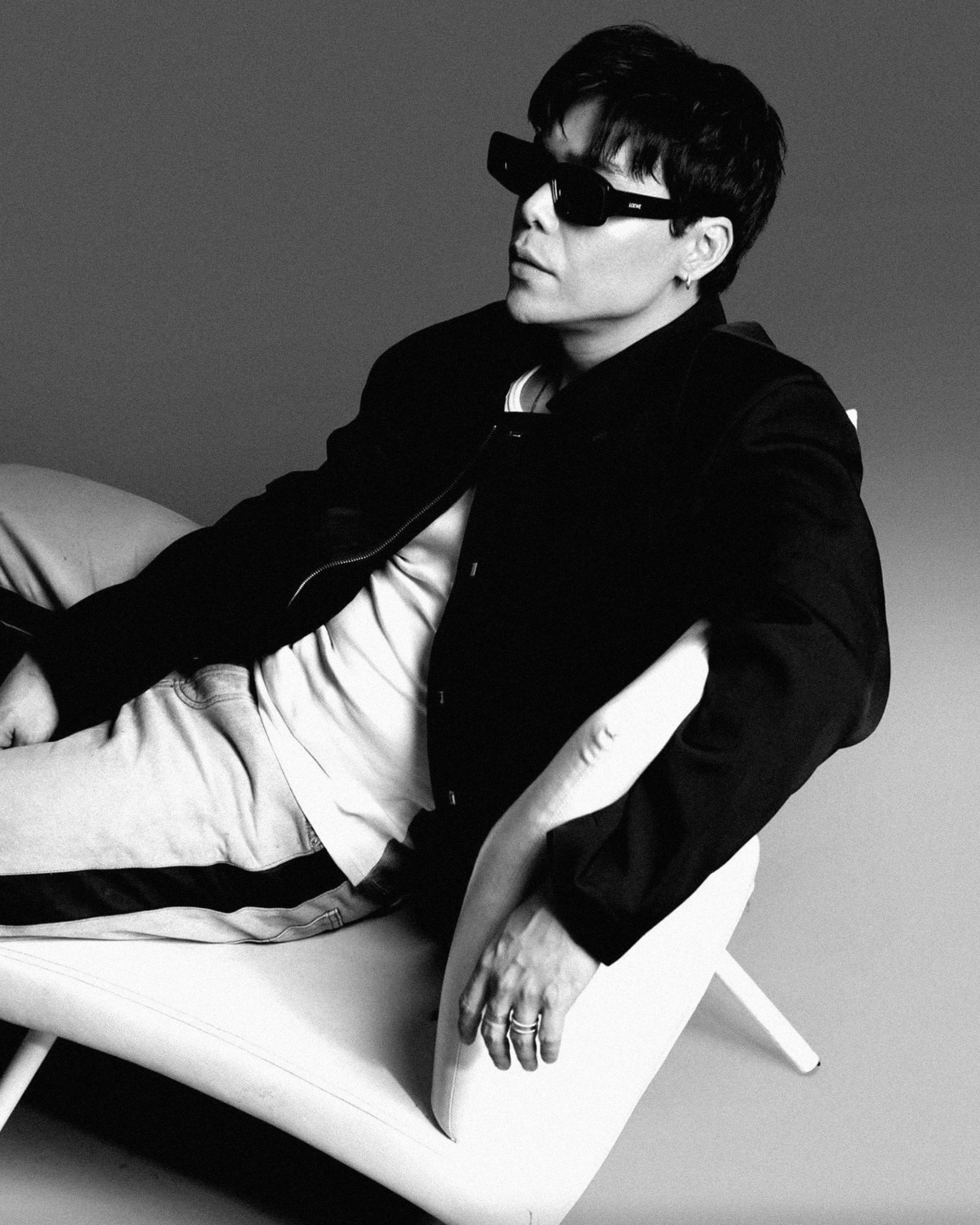
JOHN LOZANO Manila Fashion Week/Stylist
I guess its the part where you really dont know what peoples intentions are, like the fact that EMILY had a motive all along to own RUNWAY. Some people in the industry, here and abroad, may seem to be on your side or try to help you but in reality they have bad intentions and only think of themselves. Some are too ambitious to the point where they dont even care who theyre stepping on to reach their goals, in fact some dont even care about morals or ethics anymore just to get what they want.
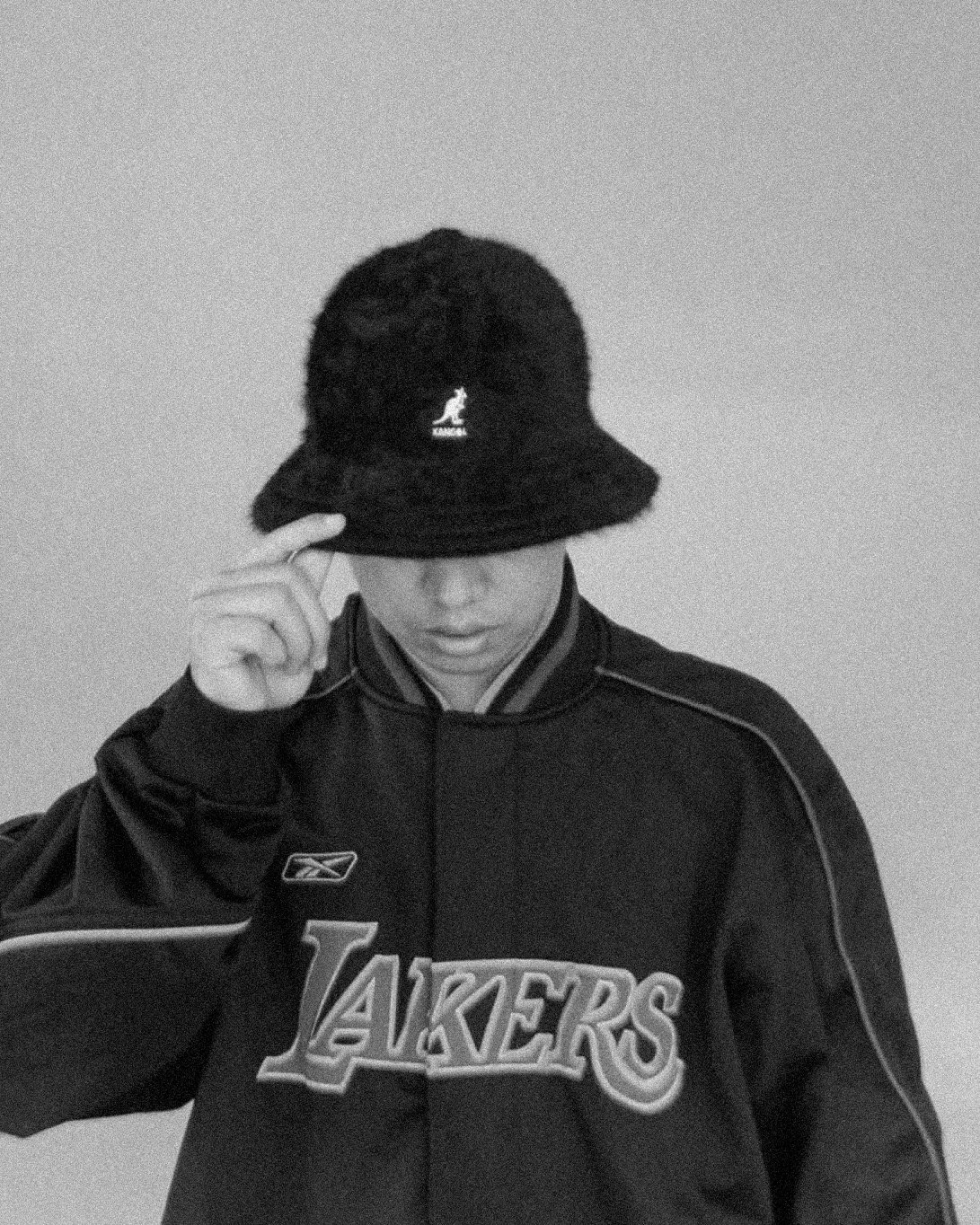
MIGUEL ALOMAJAN Rocket Design Studio/Photographer
For me it’s the ghost handbook of the industry i guess, it’s when you enter the job or a project and everyone expects that you know everything. Its always a trial by fire.
On a heavier note,
I think its the print going digital. The shift of storytelling from journalistic integrity to virality. And of course the fear of becoming irrelevant.
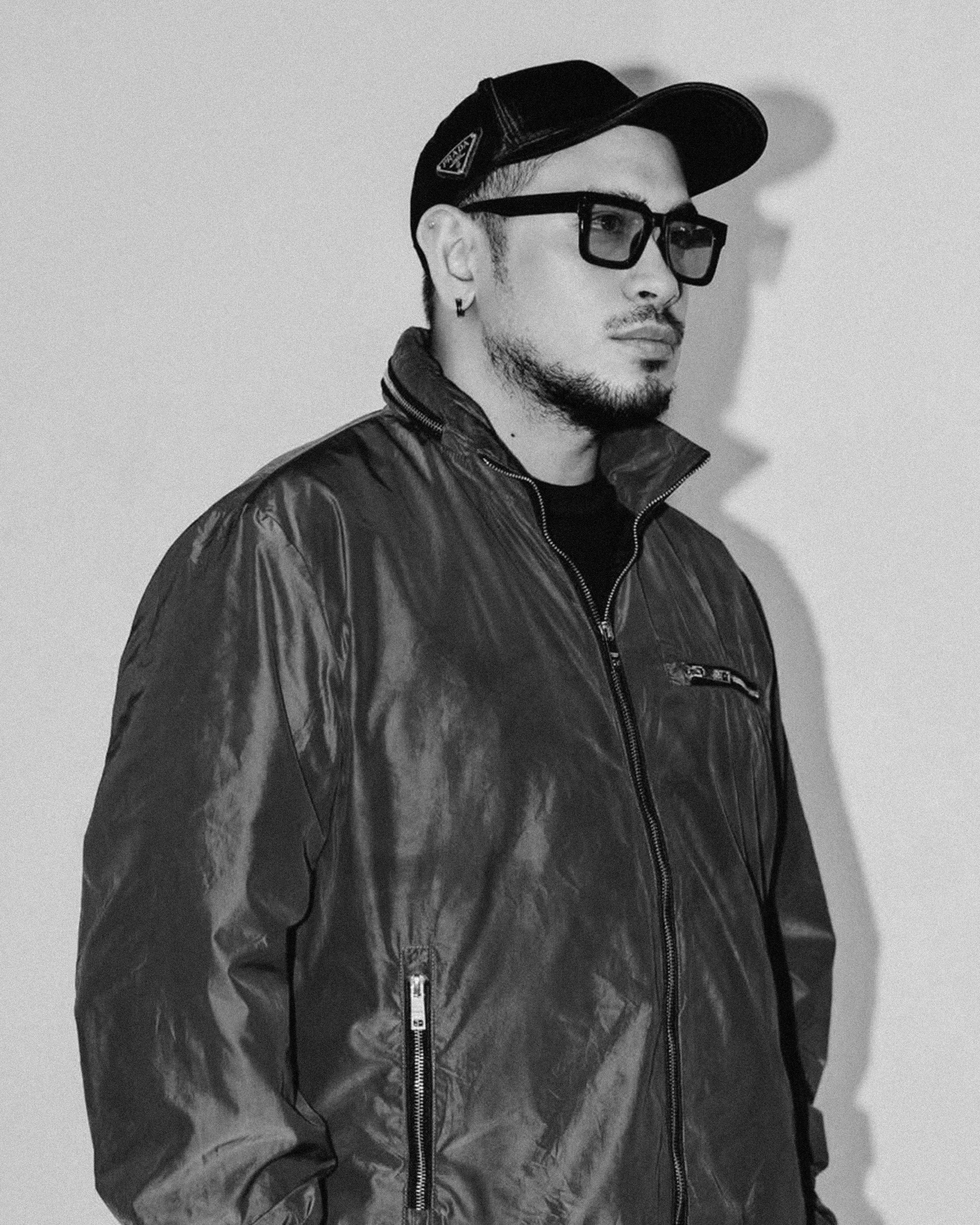
YEOH EGWARAS Aces and Queens/Stylist
I love the part when Miranda says people in fashion can not be replaced by AI. Talent and taste can not be faked.
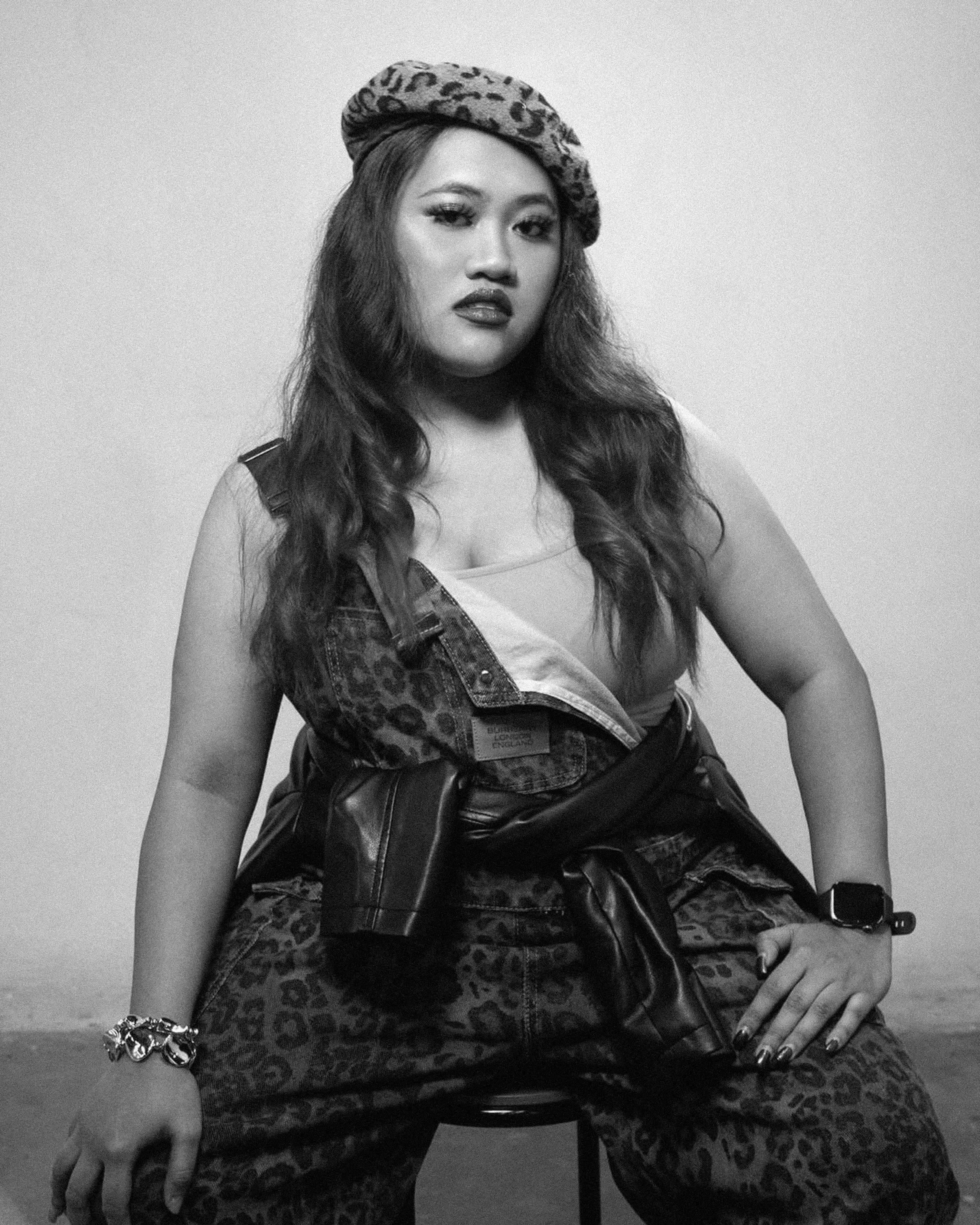
VIA DEQUINA iAcademy/Fashion Student
What felt especially uncomfortably close to my experience in the fashion is the idea that retail has become one of the most profitable sides of the industry. Miranda’s line, “You’re not a visionary, you’re a vendor,” really stuck with me. Reflecting how many designers aren’t designing for themselves anymore, but are instead catering to the market in order to make a living. That reality can be discouraging, especially when you’re trying to build a career and sustain an income in fashion with an inventive spirit. Still, I think there’s always room for designers who stay true to their vision, and that gives me hope that authenticity can continue to thrive.
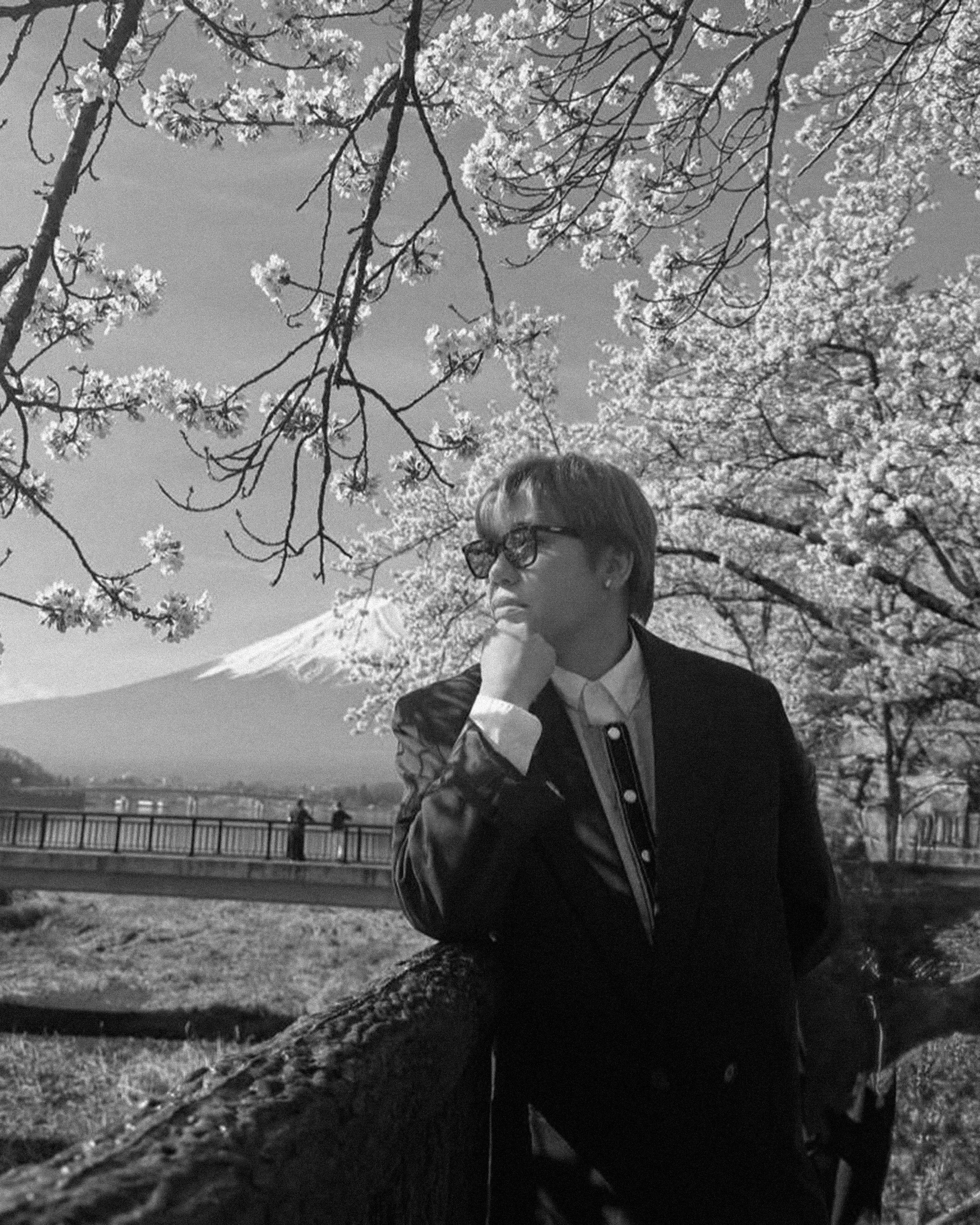
PATRICK LAZOL Fashion Institute of the Philippines/Designer
The part of The Devil Wears Prada that felt uncomfortably close to my experience was its portrayal of a shifting industry. As a fashion designer, I’ve seen the decline of print and the changing role of journalism over the past decade, much like what Runway was facing. With the rise of artificial intelligence, it feels like we’re at another turning point—making it even more urgent to support local talent and protect the creative industry.
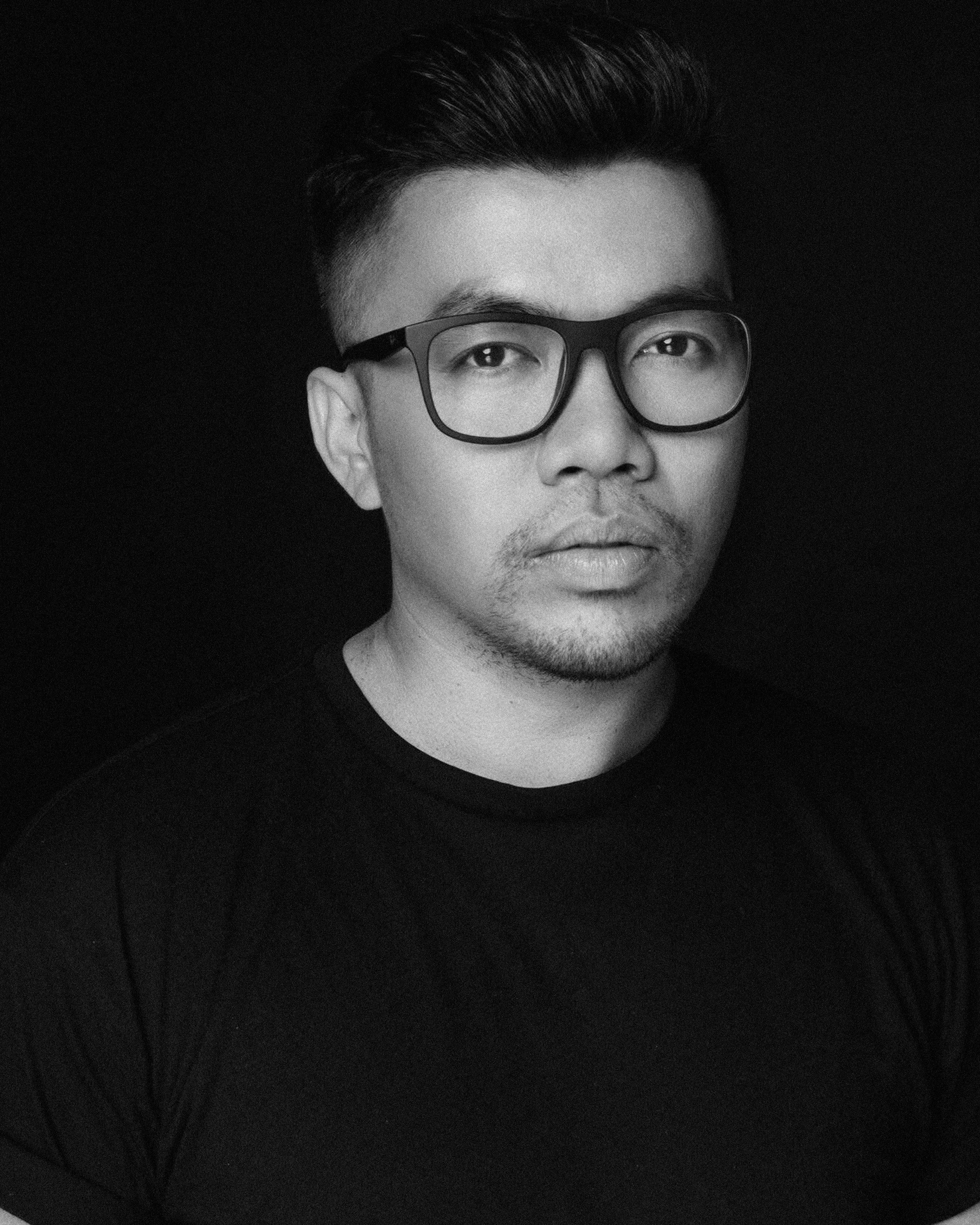
MURIEL VEGA PEREZ PRPR/Makeup Artist
A week after watching The Devil Wears Prada 2, I’d say the part that hits closest is the quiet pressure to always be “on” — no matter how tired you are, you still have to show up flawless.
As a makeup artist, it’s the last-minute changes, the unspoken expectations, and making magic happen behind the scenes. It’s intense, but also something I’ve learned to carry with a lot of heart.
Beautiful chaos, but still love what I do.
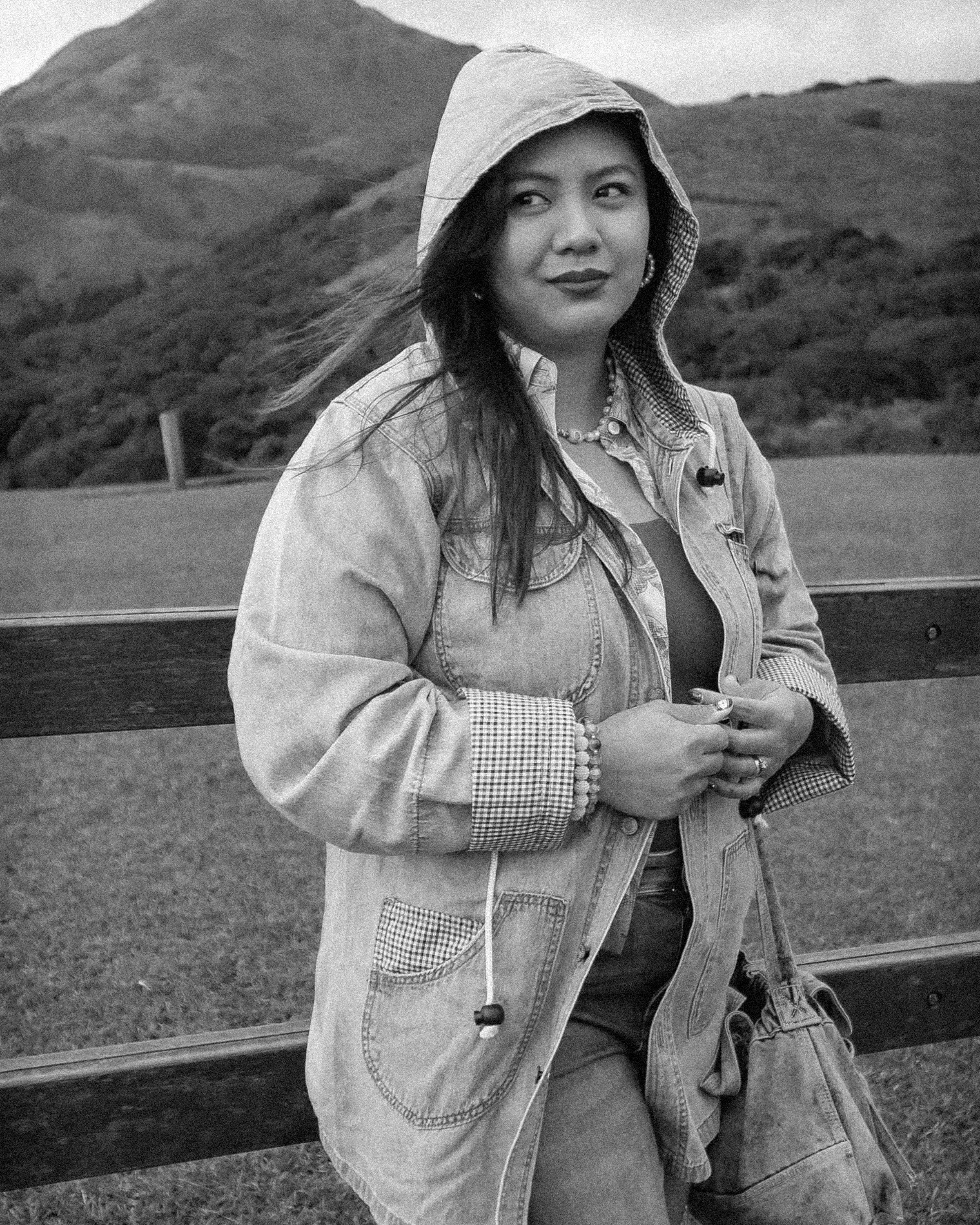
GRACE LIBERO Metro Magazine/Writer
Hearing Nigel say that Runway stopped being a magazine, and now the content they work so hard to produce is just something people scroll past while they pee—that was so painful for me. There are shoots now that take our team, say, five weeks to put together. Some articles take me five hours (even more!) to write. And yet, we’d be lucky if people even stay on that page for five minutes.
Just let that sink in: five hours to work on a story and maybe only five seconds until readers move on to the next story the algorithm feeds them. It’s the sad reality.
But I'm hopeful. It’s a field that continues to evolve, and along with it comes growth for all the players on it. We, too, have evolved. We’re no longer just writers and editors. We’re video producers, video editors, even. We’re podcasters. We’re content creators. At the end of the day, we’re storytellers.
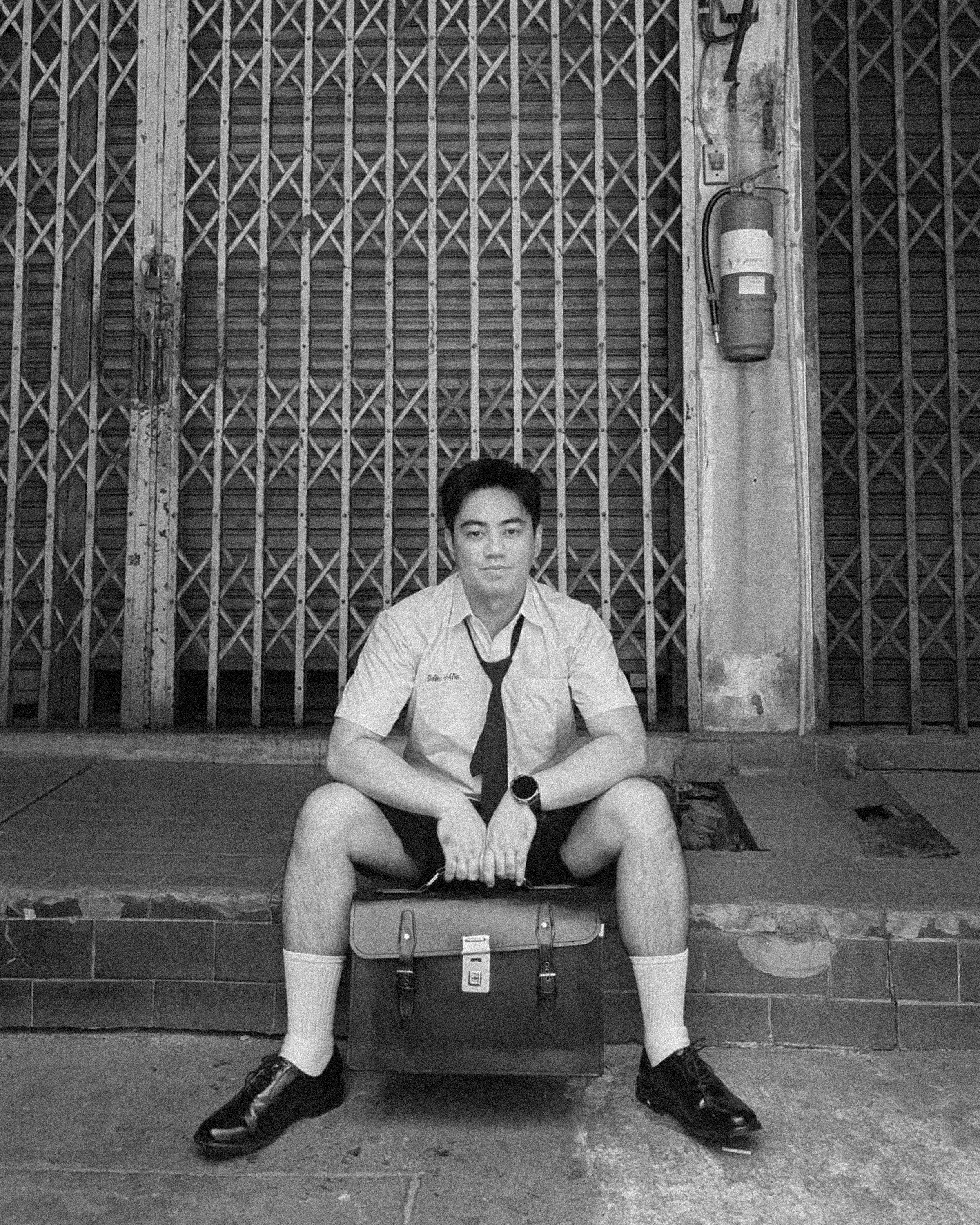
PHILIP VARGAS Filmmaker/Digital Creator
The Devil Wears Prada 2 hits different if you watched the first one in your twenties and now you're in your thirties wondering kamusta na ba talaga ako. Anne Hathaway sells it, especially that quiet diner scene after her layoff.
The biggest miss for me, it's 2026. Vogue ran an AI-generated Guess campaign last year. McKinsey literally said AI is now a "business necessity" for fashion. Newsrooms are being replaced by ChatGPT subscriptions. A movie about a magazine in crisis that doesn't even go there? The actual devil is in the building and the film just looks the other way. They could have gone deeper and tackled how AI is disrupting every industry, not just fashion.
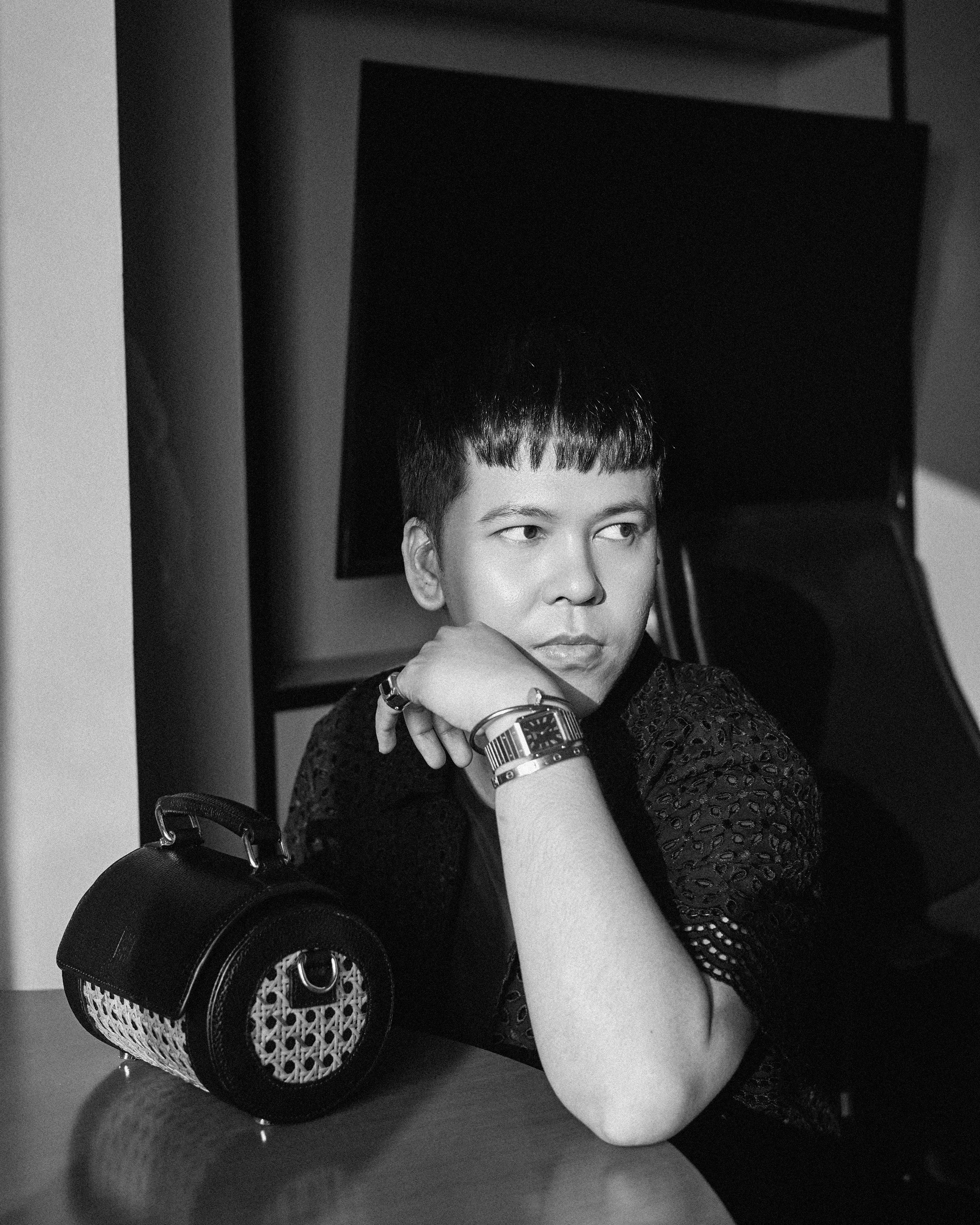
VIN ORIAS Orias Essentials/Designer
There are so many Emily’s.
Emily is what happens when pakikisama and validation culture go too far. Trying so hard to belong that you lose your vision or valuing others approval over your vision. From that being a ‘Visionary’ to “villain”.
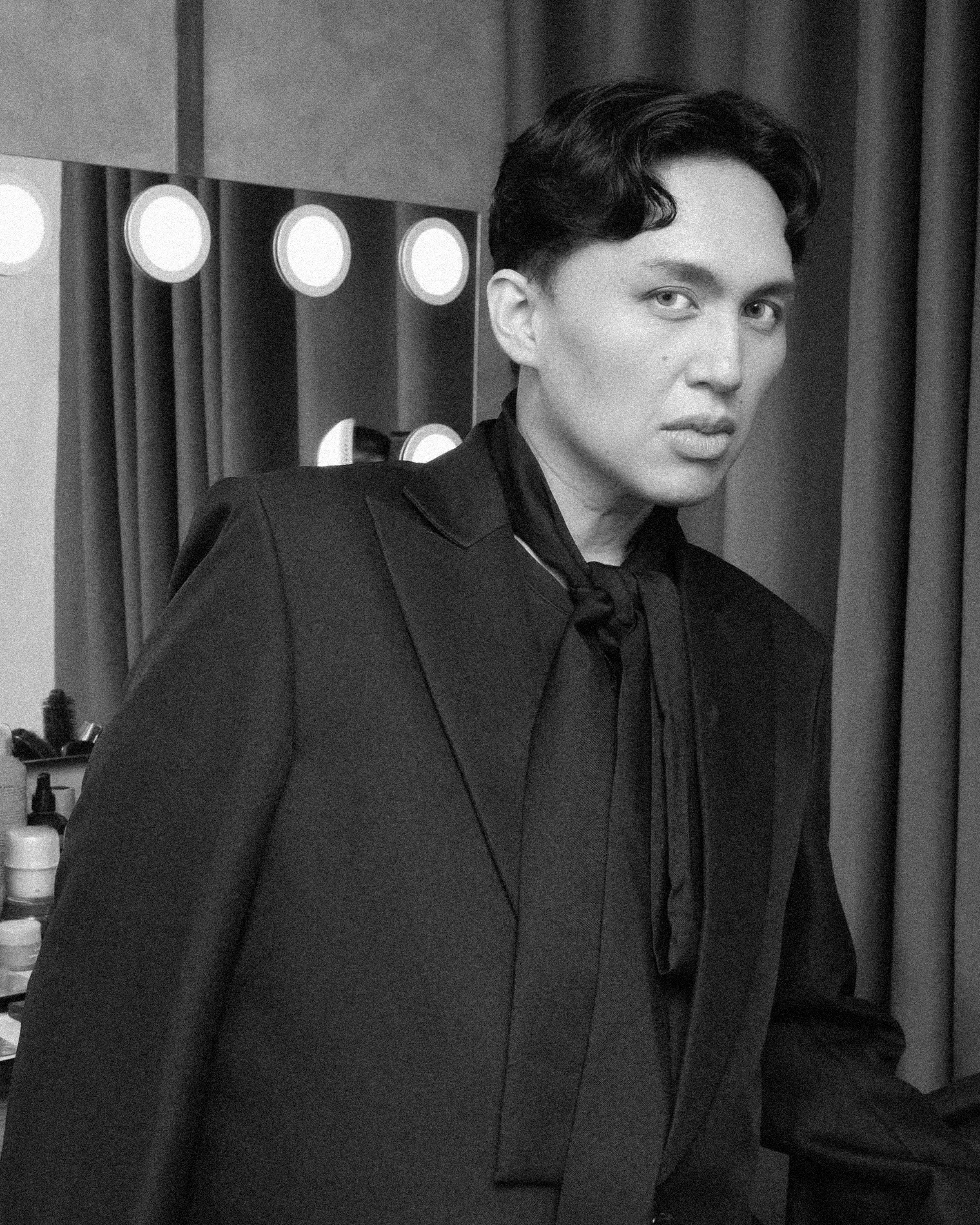
MYCKE ARCANO Muse Manila/Hair Stylist
After watching DWP1 and 2, I think it's the on the spot change of art direction for a photoshoot. Which always puts every creative on their toes to produce material for an upcoming editorial or cover shoot and always be on the go for ideas even if the photoshoot is on the brink of being shelf or cancelled.
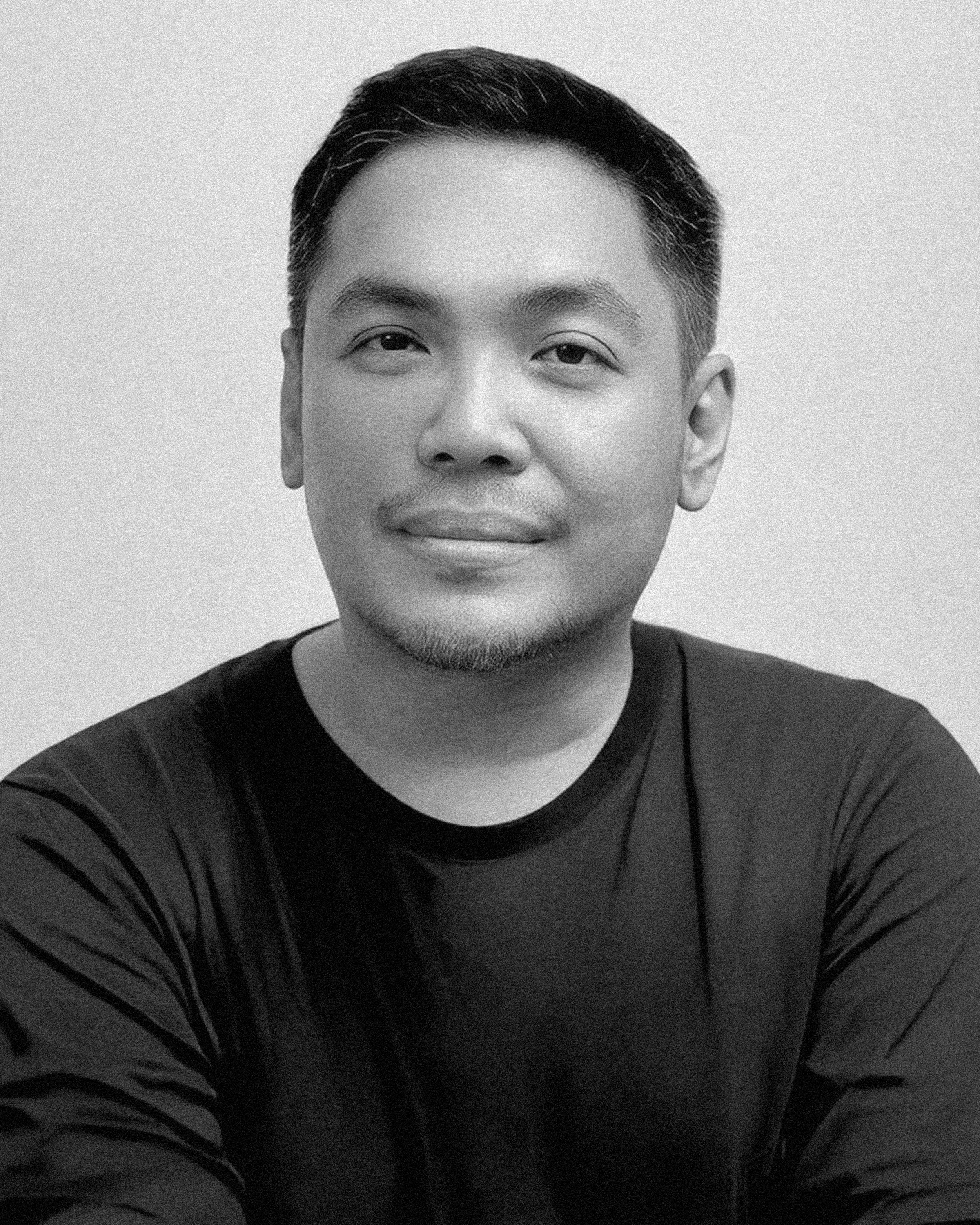
ROB MANEJA ABS-CBN/Director
The fact that everything is so fast, you need to swim with the tide just to stay relevant.
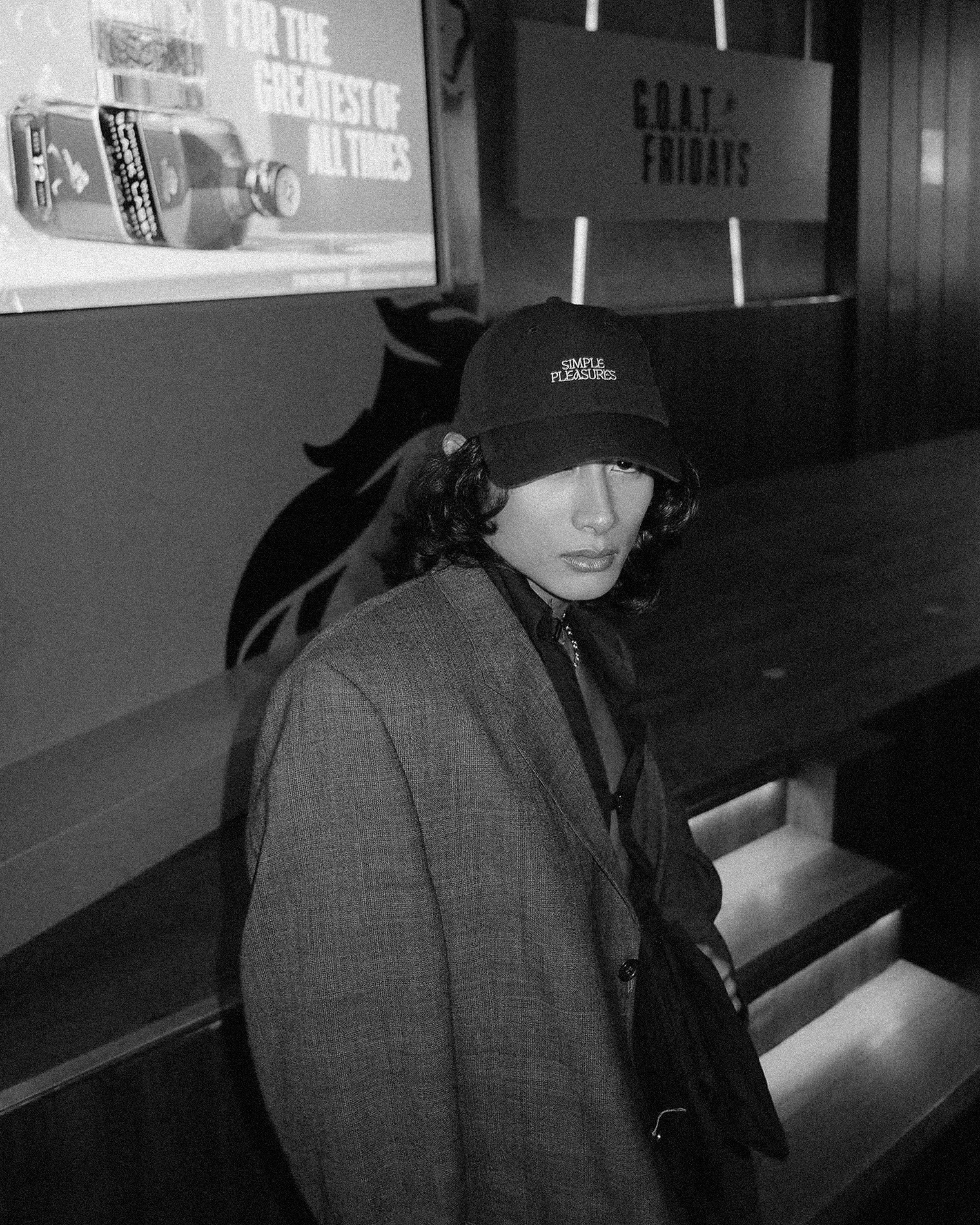
DANEL CALIXTO The Digital Casting/Managing Director
As much as we want to say that fashion is inclusive, the truth is — it still not as inclusive as people make it seem. Behind the campaigns and curated messaging, the industry is still closely knit, heavily political, and often shaped by who you know, how you look, and whether you fit certain unspoken standards.
Talent, creativity, and hard work matter, but access and acceptance still play a huge role.
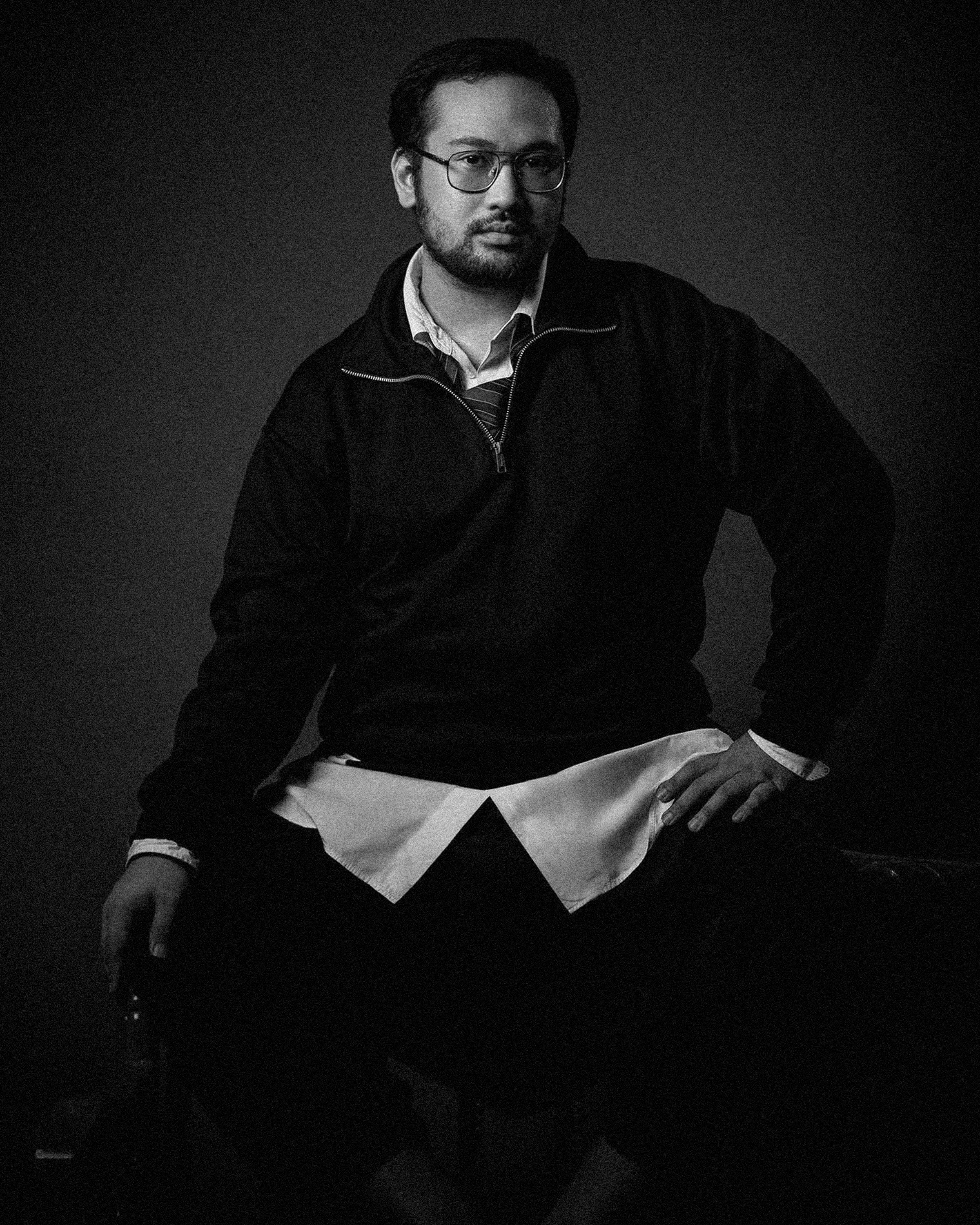
FERNANDO GARCIA East of Eden/Designer
Something thats uncomfortable close for me is that the media landscape have changed drastically. The magic of print is slowly dying and being replaced by digital. Another is the prices of luxury commodity being absurdly priced high.
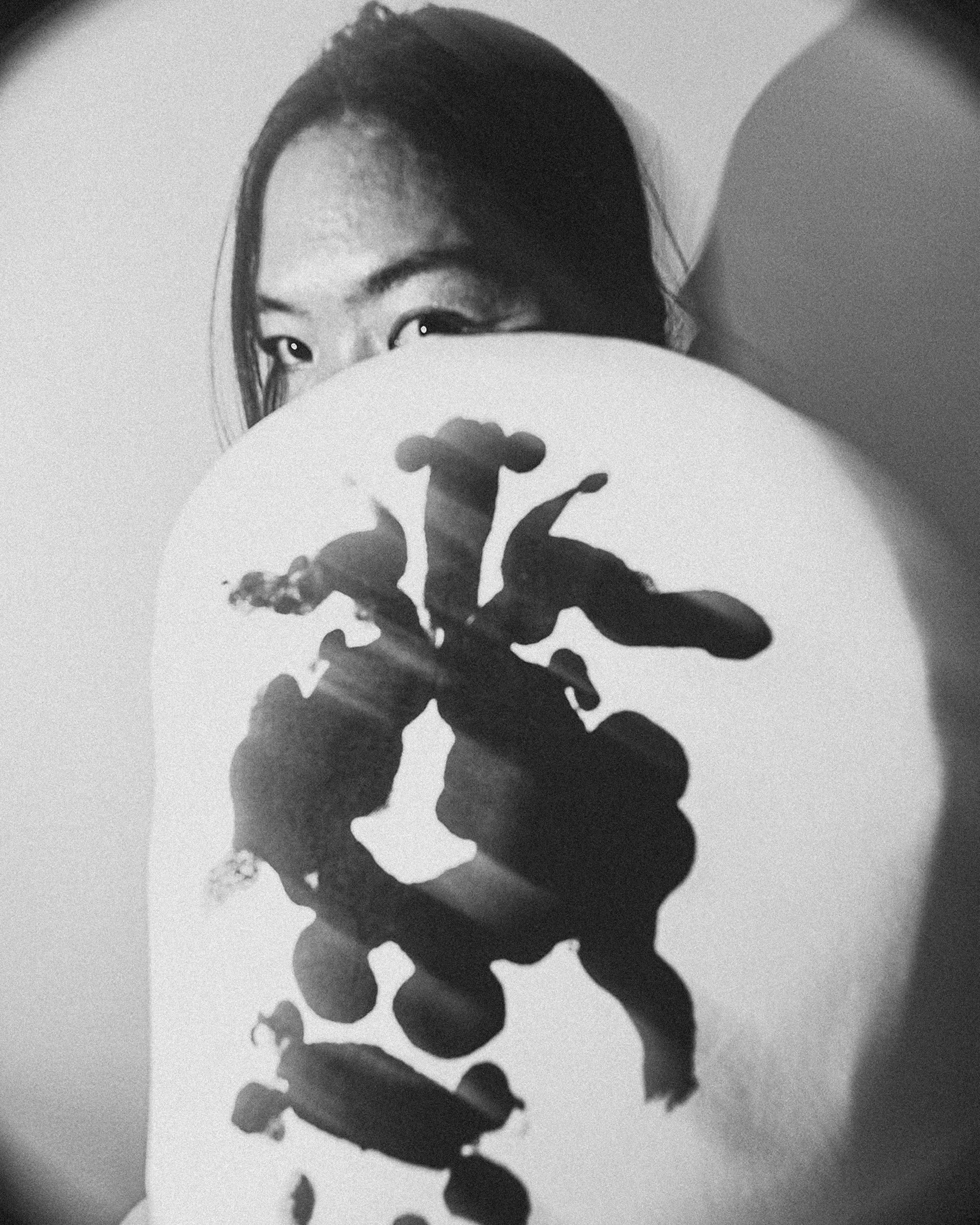
MAUREEN MANUEL Fashion Publicist
After sitting with the sequel’s plot for a week now, it just hits too close to home, as my early career years started in publishing before I pivoted to PR. I love fashion, and I wanted to be able to afford it too. It felt like a story that everyone who dreamed of working in fashion has experienced, especially when there weren’t as many opportunities for us back then. Yet, what feels more harrowing is how our livelihood—not just magazines, but culture itself—is in a state of crisis with the looming threat of AI. We, as cultural architects who work with creatives and within creative spaces, must try to protect and preserve our humanities, the various art forms, from too much AI intervention.
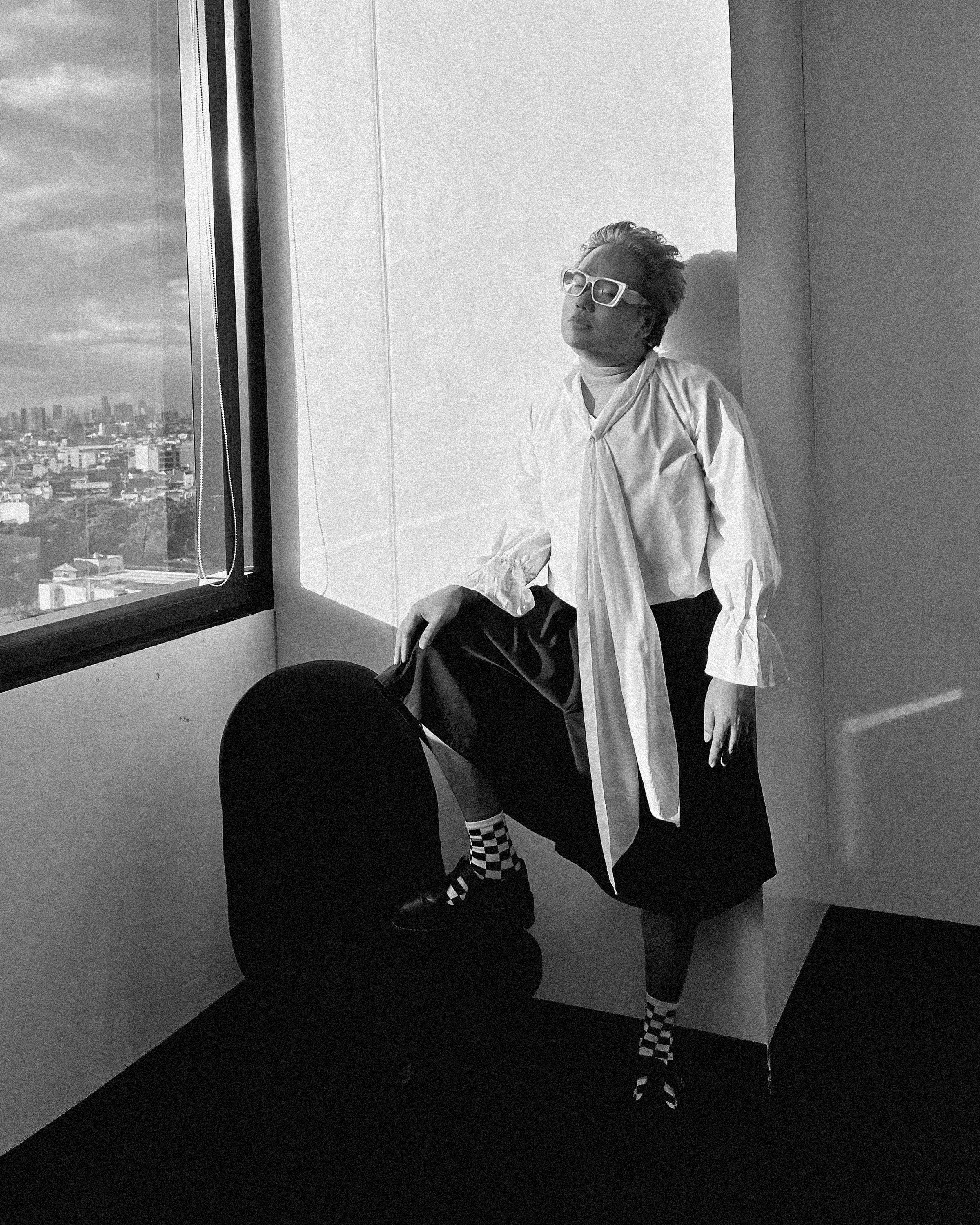
RXANDY CAPINPIN Fashion Instructor/COOL Magazine
The most quotable line that hit me was when Nigel talked about how they used to have fabulous vacation photoshoots, and now they’re in Milk Studios for 2 days to shoot contents. It felt personal—we used to do shoots outside Manila and even abroad, turning work into something cinematic and alive. Now, not so much; budgets are tighter and everything feels scaled down.
