
WHEN A MEMBER LEAVES
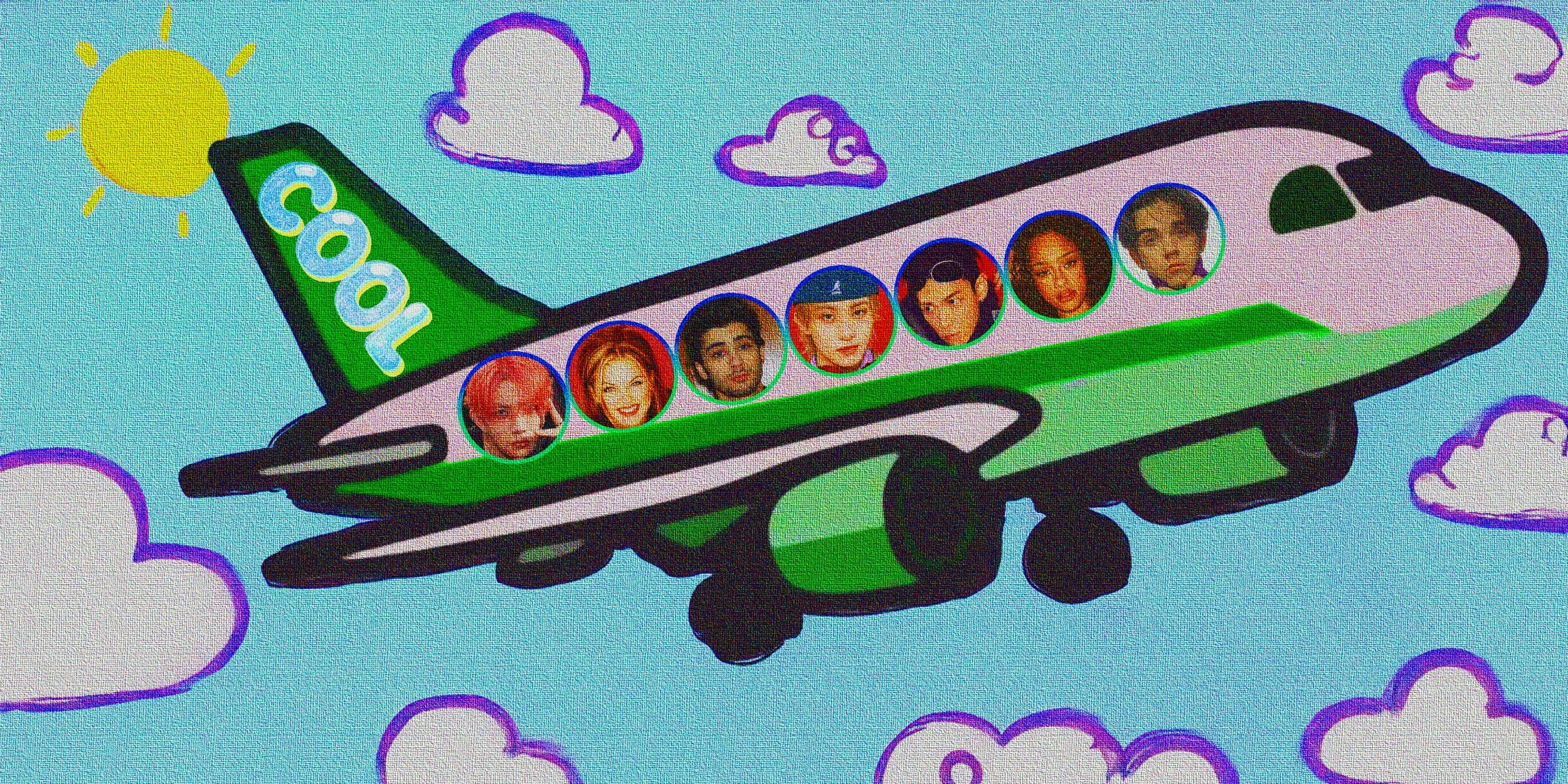

There’s a moment in every major pop group’s history that feels almost inevitable—the departure. It’s dramatic, emotional, and often marks the end of one era and the beginning of another. From the height of ’90s Britpop to today’s global K-pop dominance, the story repeats itself with uncanny familiarity.

Back in the golden age of pop groups, bands like Take That and Spice Girls defined what it meant to be a global phenomenon. When Robbie Williams left Take That in 1995, it sent shockwaves through the fanbase. It wasn’t just a lineup change—it felt like the group’s identity had fractured. Similarly, when Geri Halliwell exited the Spice Girls at their peak, Spice Fans were left confused and heartbroken.

Fast forward to the 2010s, and history echoed itself when Zayn Malik walked away from One Direction. The narrative felt strikingly familiar: official statements citing stress, emotional goodbyes, and a fandom scrambling to process the loss. Behind the scenes, there were whispers of burnout, pressure, and the overwhelming weight of global fame.

Despite the heartbreak, one truth consistently emerges—leaving a group is often a turning point, not an ending. For some artists, it becomes the catalyst for reinvention. Robbie Williams transformed into a superstar. Zayn Malik shifted toward a more alternative R&B sound, distancing himself from his boy band image. These departures allow artists to reclaim individuality after years of being part of a collective identity.
In the K-pop industry, this phenomenon has evolved into something more complex. Groups like NCT operate with rotational systems, making the concept of fixed membership more fluid. Members like Mark Lee have moved between subunits, blurring the line between “leaving” and “transitioning.”

Meanwhile, established acts like EXO have faced contract disputes and subunit separations, particularly involving Baekhyun, Chen, and Xiumin. In these cases, departures are not always clean breaks but ongoing negotiations between agency and corporate structure.

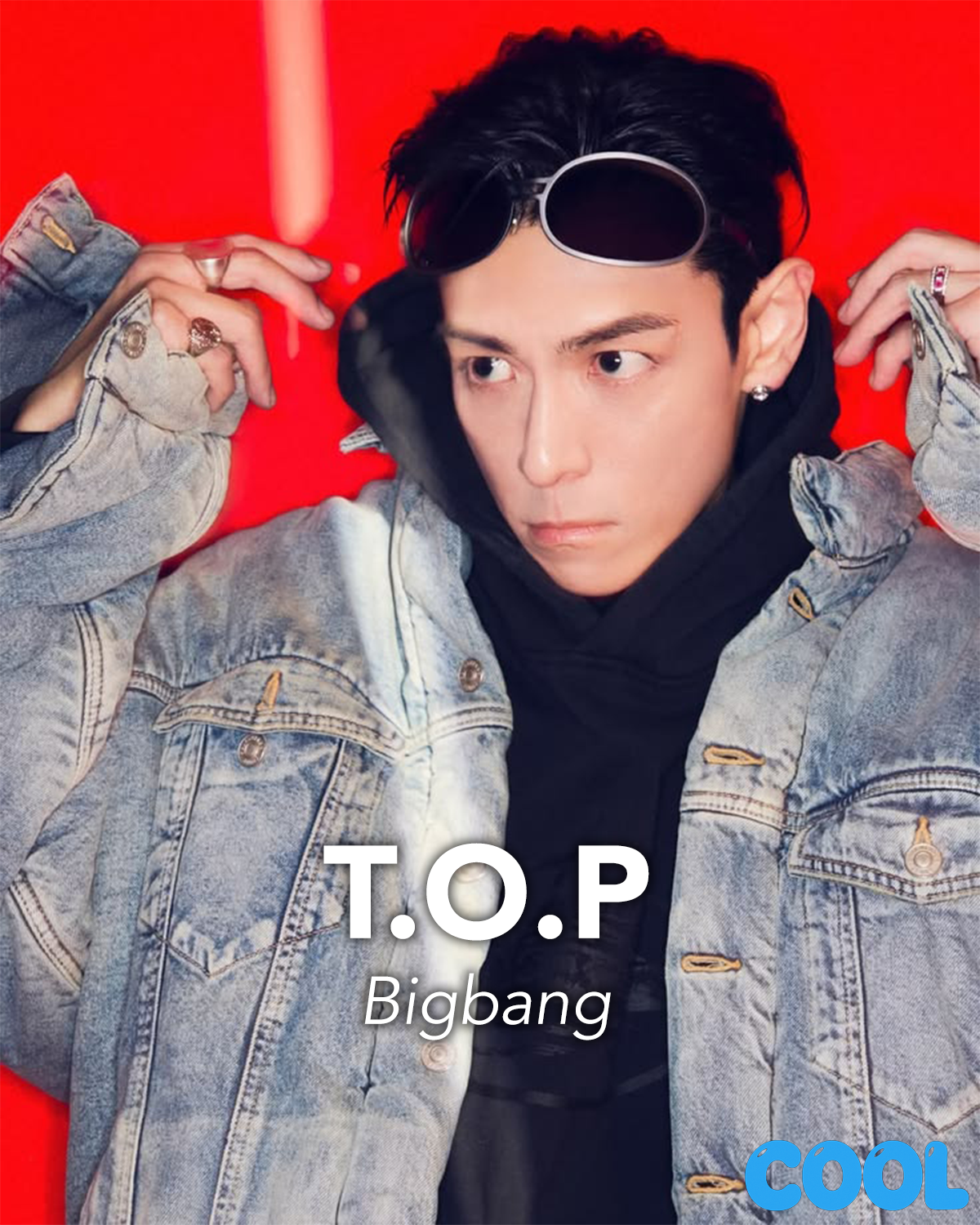
Even legendary groups like BIGBANG have undergone transformations, with members such as T.O.P stepping away amid personal and professional shifts. These changes highlight the intense pressures that come with longevity in the spotlight.
What remains consistent across all eras is the emotional cycle experienced by fans. First comes denial—rumors dismissed as temporary hiatuses. Then grief, often accompanied by anger or confusion. Over time, acceptance settles in, and fans begin to support the artist’s solo journey. In many cases, this evolution deepens the connection, allowing fans to appreciate the individual beyond the group.

There’s also a structural reality at play. Large groups, especially in K-pop, can be both a strength and a burden. While they offer diverse talents and dynamics, they can also become overwhelming for individual members. The idea that a four- to five-member group provides a more sustainable balance—it allows for both cohesion and individuality.

Yet, despite breakups, hiatuses, and departures, the story rarely ends definitively. Pop culture thrives on nostalgia, and reunions—whether full-scale comebacks or brief anniversary performances—are always on the horizon. The group continues in one form, the artist in another, and fans learn to love both versions. In that sense, departure isn’t just loss—it’s transformation. #CoolisinSession
