
👖HAYO
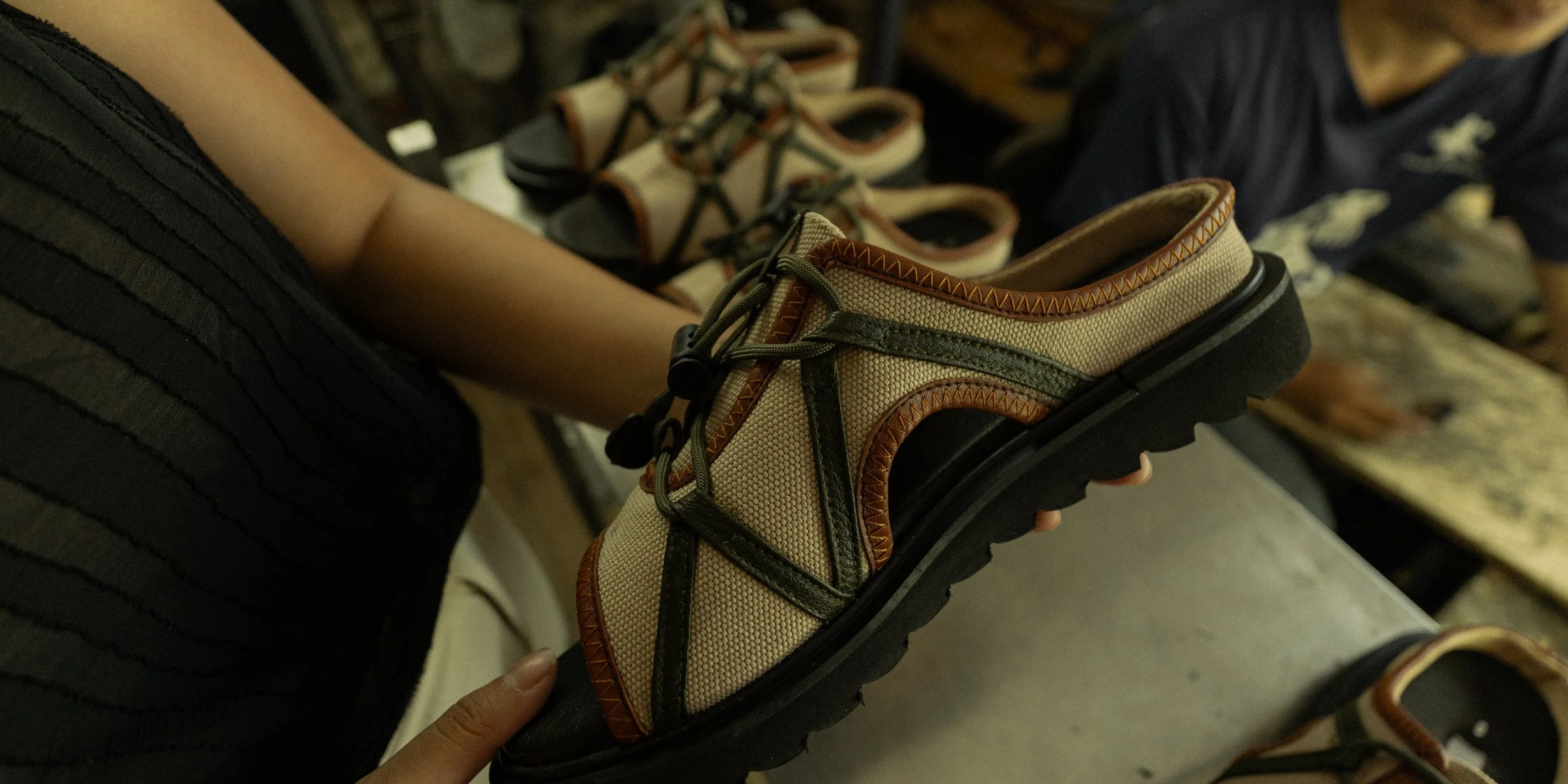
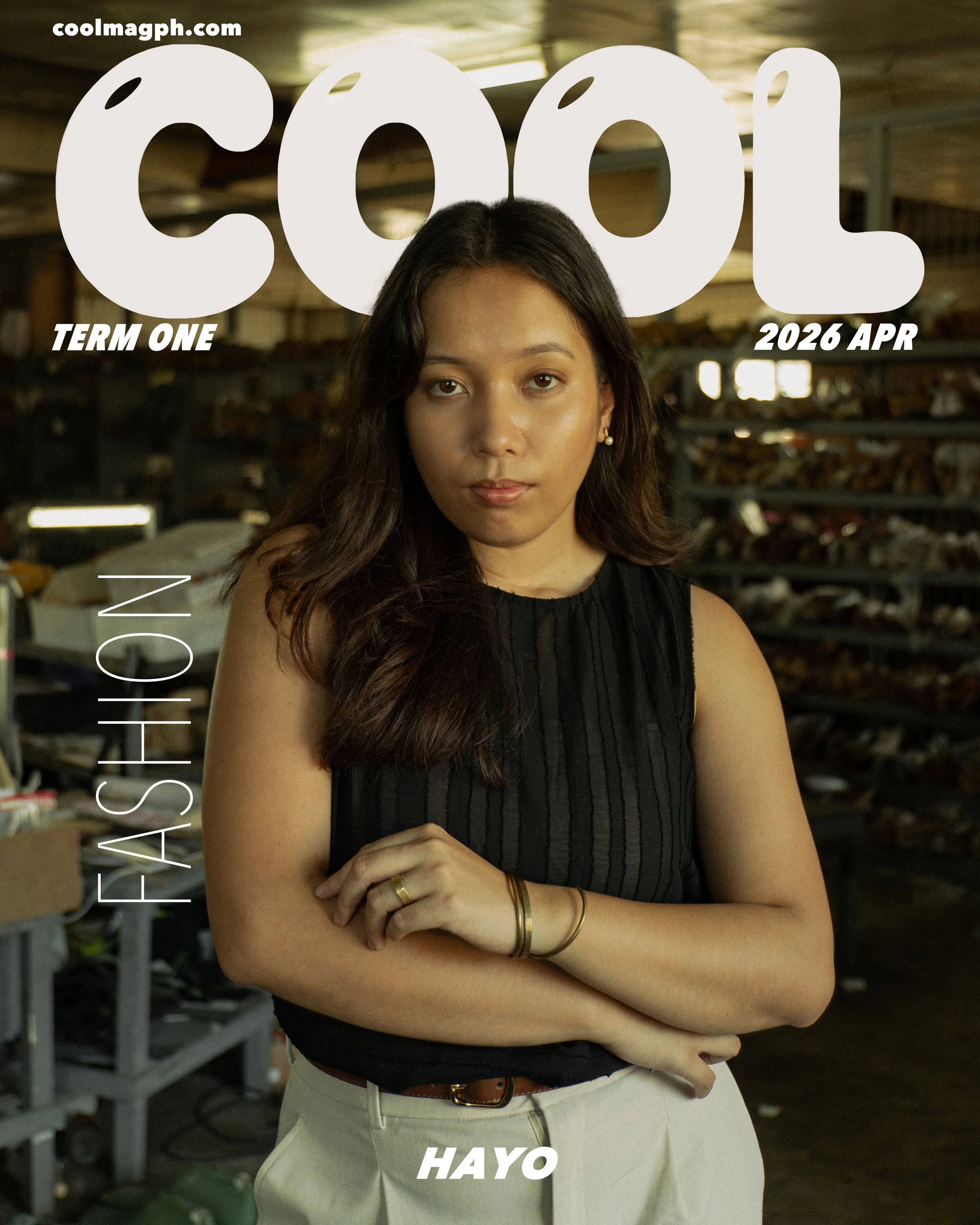
In the fast-paced world of design, we usually celebrate whatever is loud, flashy, or temporary. We are constantly flooded with limited drops and new trends that seem to vanish the second we stop scrolling. It often feels like a relentless race where the goal is simply to be seen before the next wave hits. But in a quiet corner of the Philippines, a different kind of story is being written. It is a narrative that picks the slow over the sprint and the meaning over the logo.
This is the world of Hayo by Evita, a footwear brand that feels less like a business and more like a way to keep our culture alive. At the wheel is a designer whose path moving from the cinematic views of the islands to a cobbler’s workbench in Marikina offers a real, human roadmap for any modern creative.
A Childhood in Motion
Long before the first pair of Hayo shoes was ever a sketch on a napkin, the foundation for a creative life was being built in a home that valued expression above all else. Growing up, Evita did not see art as a hobby but as a way of living. "Every summer, when I was a kid, I would always attend art classes, whether it was music or arts-and-crafts related; there was never a summer when I was doing nothing," she recalls. "Now that I’m older, I realized that my parents have always encouraged me to explore my interests and express myself in every way possible," Evita said.
That early dive into different hobbies eventually led to a deep love for filmmaking. It turns out there is a natural link between cinema and industrial design because both require an understanding of how a human interacts with a space, a story, or a physical object. Evita attended art school for Senior High and jumped straight into the film industry. She surrounded herself with mentors who pushed the limits of visual storytelling, but the road to finding a true calling is rarely a straight line. Often, you need a moment of total silence to realize the path you’re sprinting down might not be the one you were meant for.
That turning point came during a film shoot in the islands of Caramoan. Most would find the setting dreamlike, but for Evita, it became a place for profound soul-searching. "One night, in the middle of a film shoot in the islands of Caramoan, cradled by a canopy of stars, I asked the universe, ‘Was I made for this?’ Days passed, and I didn’t get an answer – something just didn’t feel right. Maybe that was the answer," she said.
When the pandemic hit, the world went quiet, and she returned to her hometown of Candelaria, Quezon. In the isolation of lockdown, she began navigating the pressure of finding a career that truly resonated. Clarity finally came through a TED Talk by Benjamin Todd, and the line, "Altruism is one thing you’ll never regret," she mentioned. This idea that design could be a service to people rather than just a personal showcase changed her perspective entirely. While working on her portfolio for the UP College of Fine Arts, she realized her future lay in Industrial Design.
The Visual Language of Quezon
Every brand has a "Day Zero," which is that specific moment when a passion pivots into a profession. For Evita, shoes were always more than just accessories. They were the bridge between the body and the ground. "I’ve always been interested in shoes because not only are they a fashion piece that can make or break your outfit, but they also literally carry your weight; whether you’re heading out for a run or a quick errand, I’ve always believed your shoes should match the pace of your day," she explains.
Straight out of college, the pull of global giants was strong. Like many enthusiasts, she initially dreamed of working for brands like Adidas or New Balance. But a deeper thought took hold. To work for a global brand is to tell a global story, but to stay in the Philippines is to write a local one. She decided to be patient, choosing instead to "champion our local shoemakers, taking their incredible, enduring craft and reimagining it for a world beyond formal footwear," Evita said.
Hayo is a brand physically and spiritually tied to Philippine soil. This identity was born at the foot of Mt. Banahaw. In Candelaria, the pace of life follows nature rather than a city clock, and that allowed for a unique kind of observation. "This slow pace gave me the space to find wonder in the mundane things typically found in provincial homes. I was particularly drawn to my grandparents’ heirlooms, and I can still vividly remember playing with them as a child. Looking back, those pieces taught me that Filipinos are naturally creative; even with the simplest materials, there is always an inherent ingenuity," she noted.
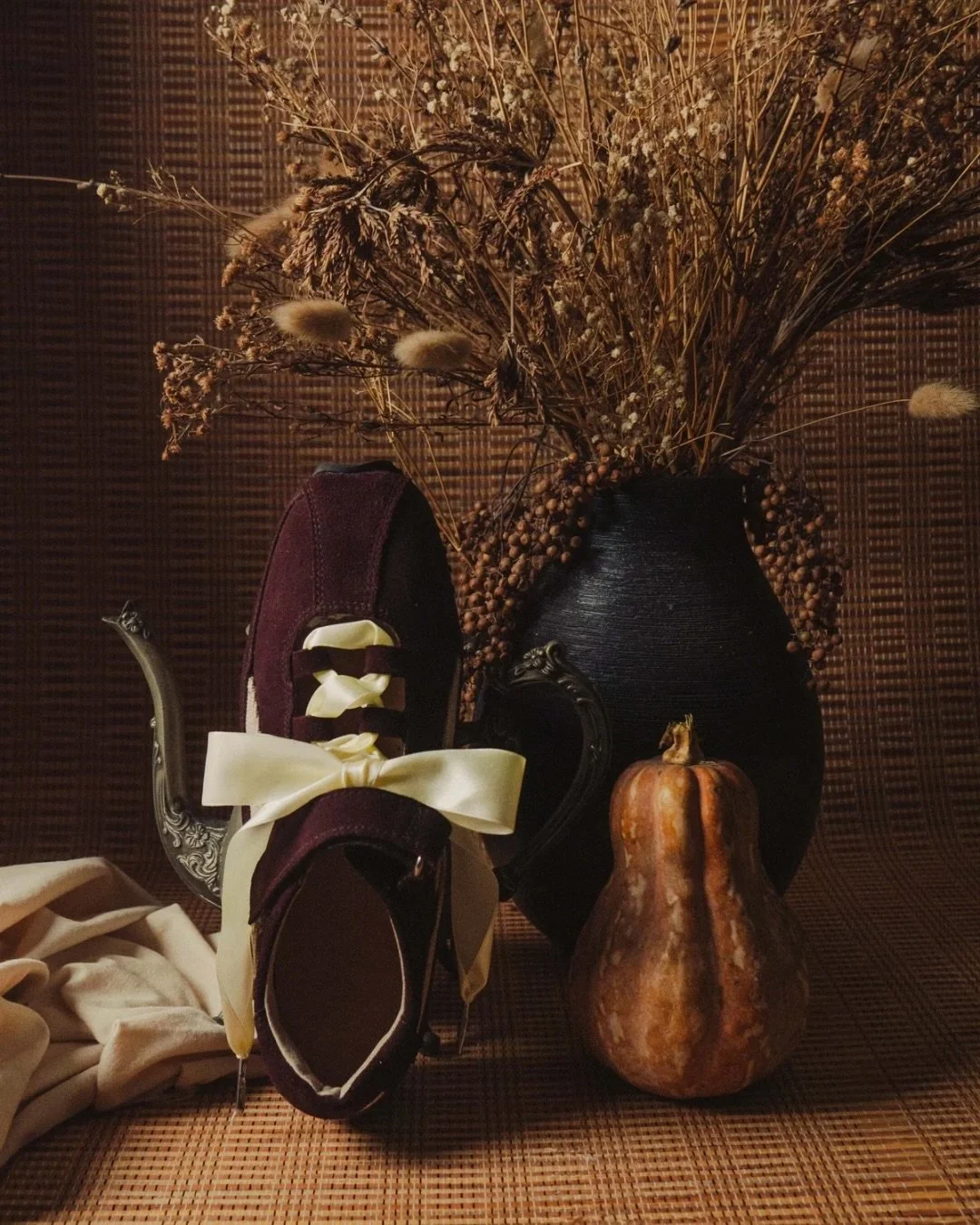
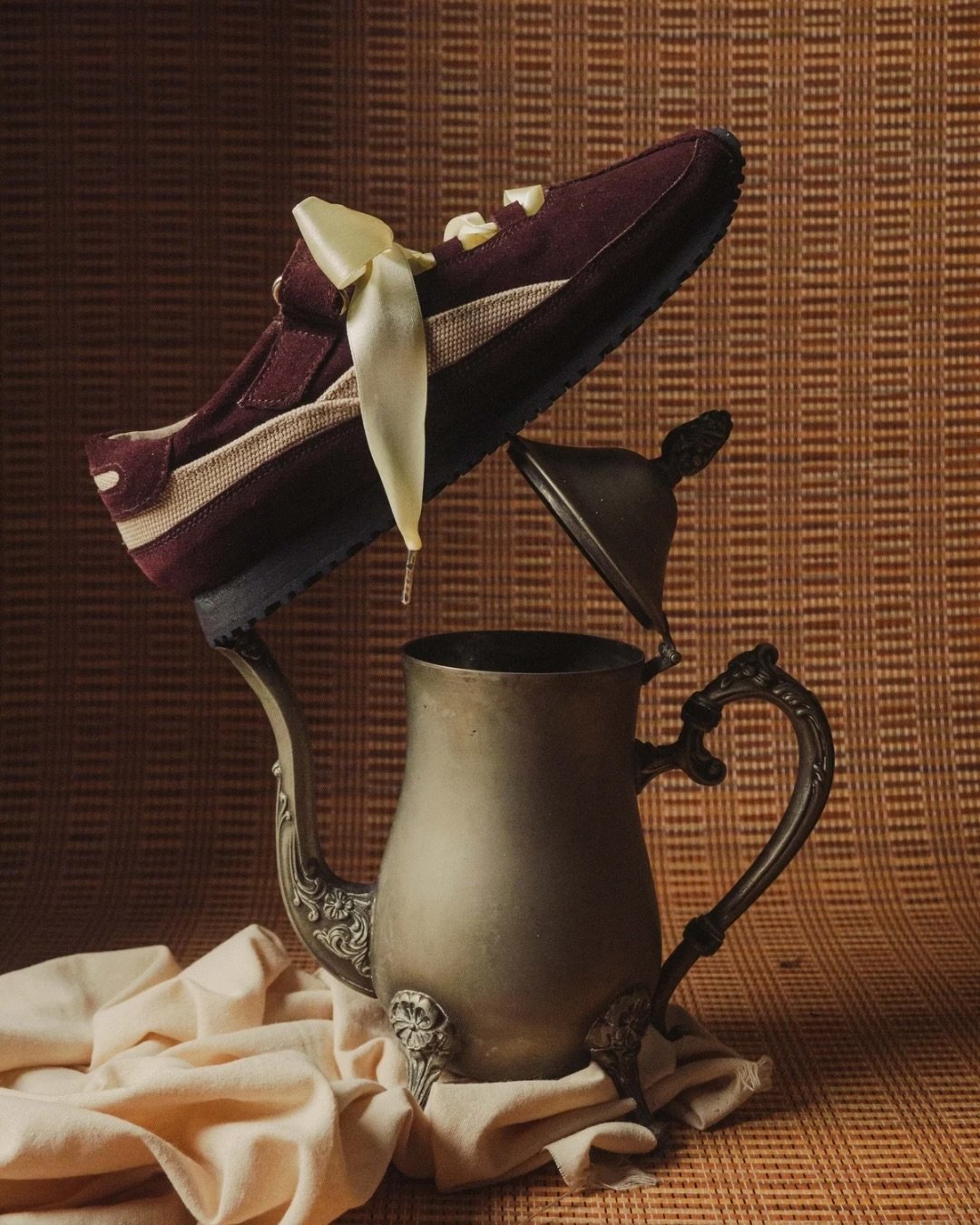
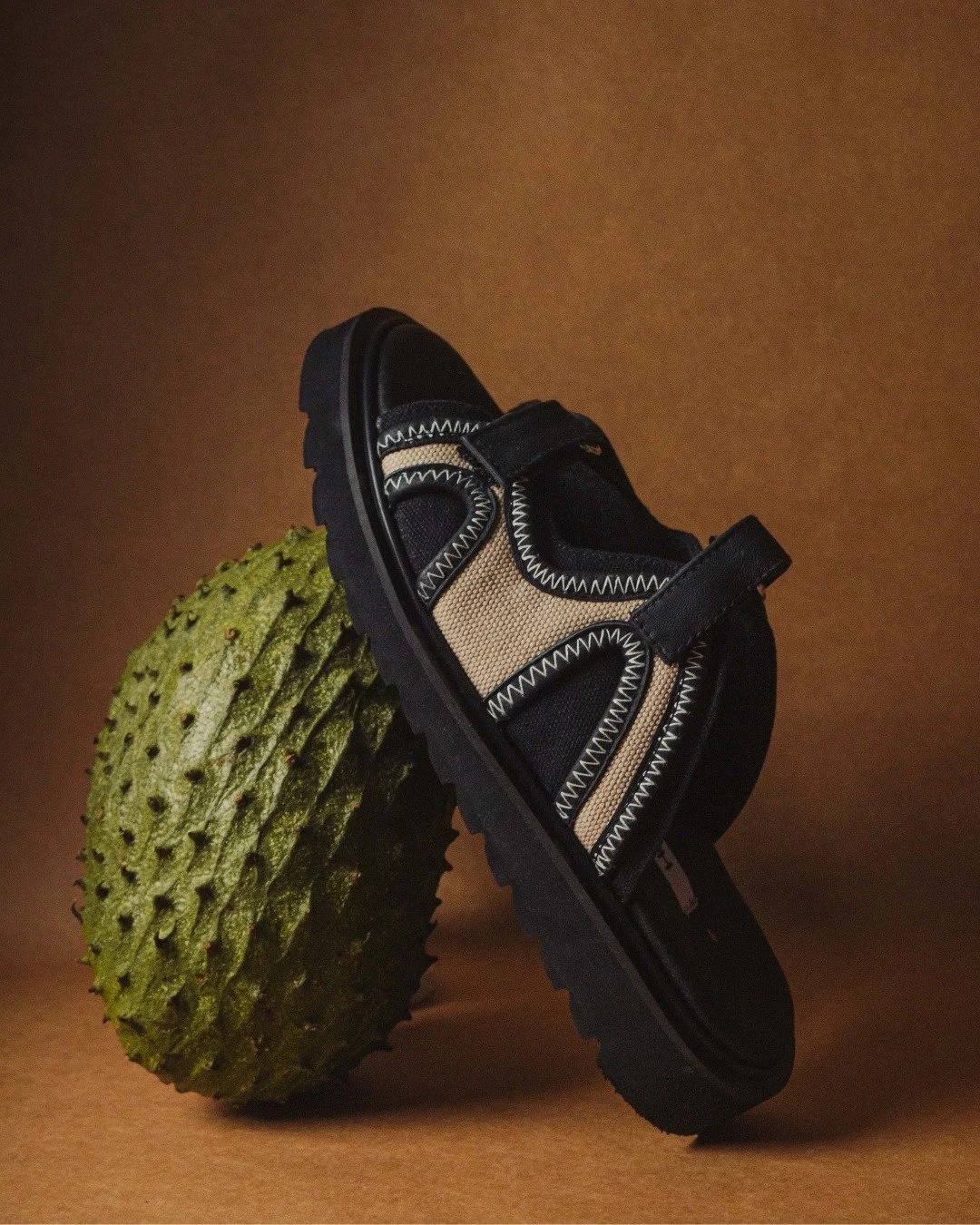
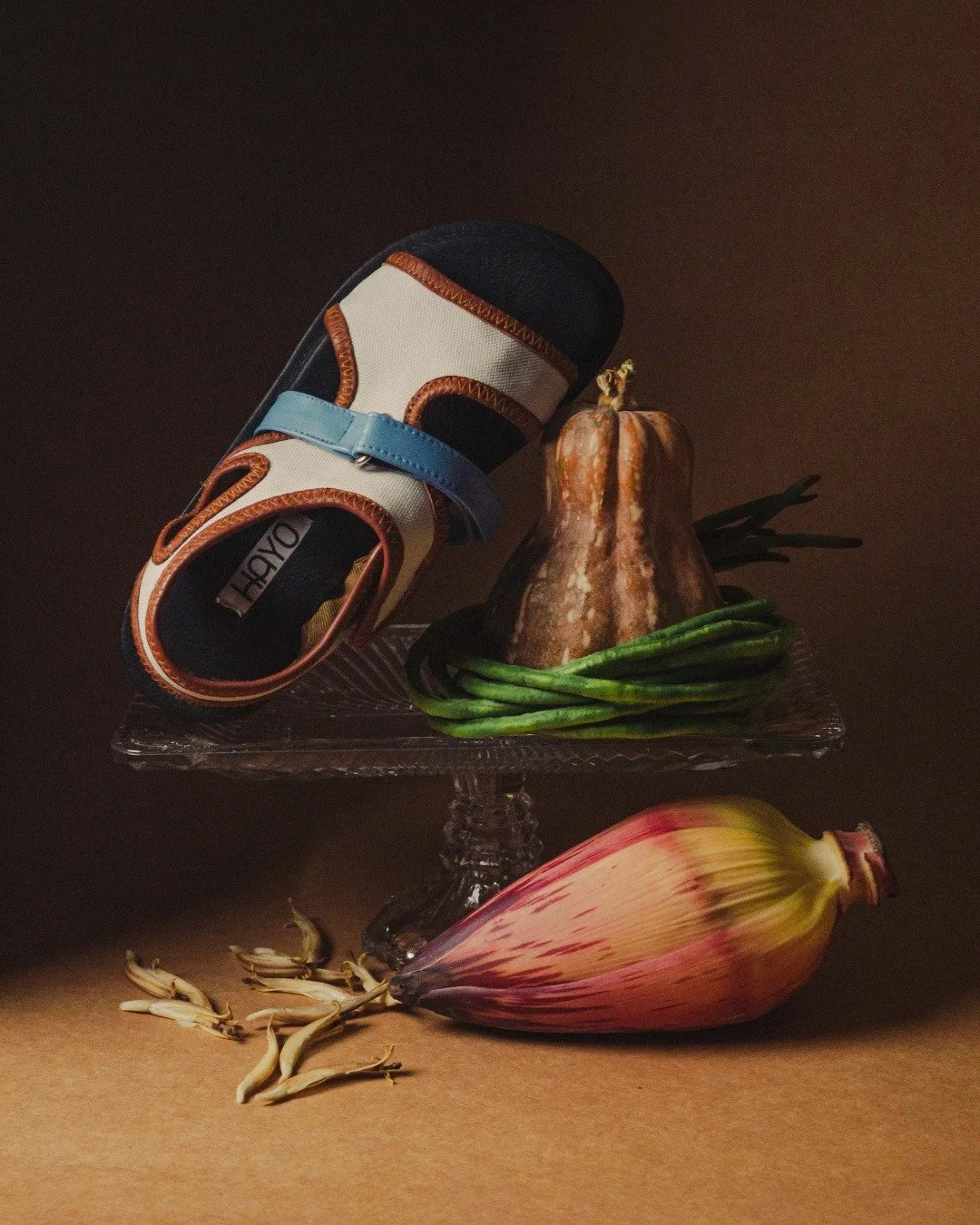
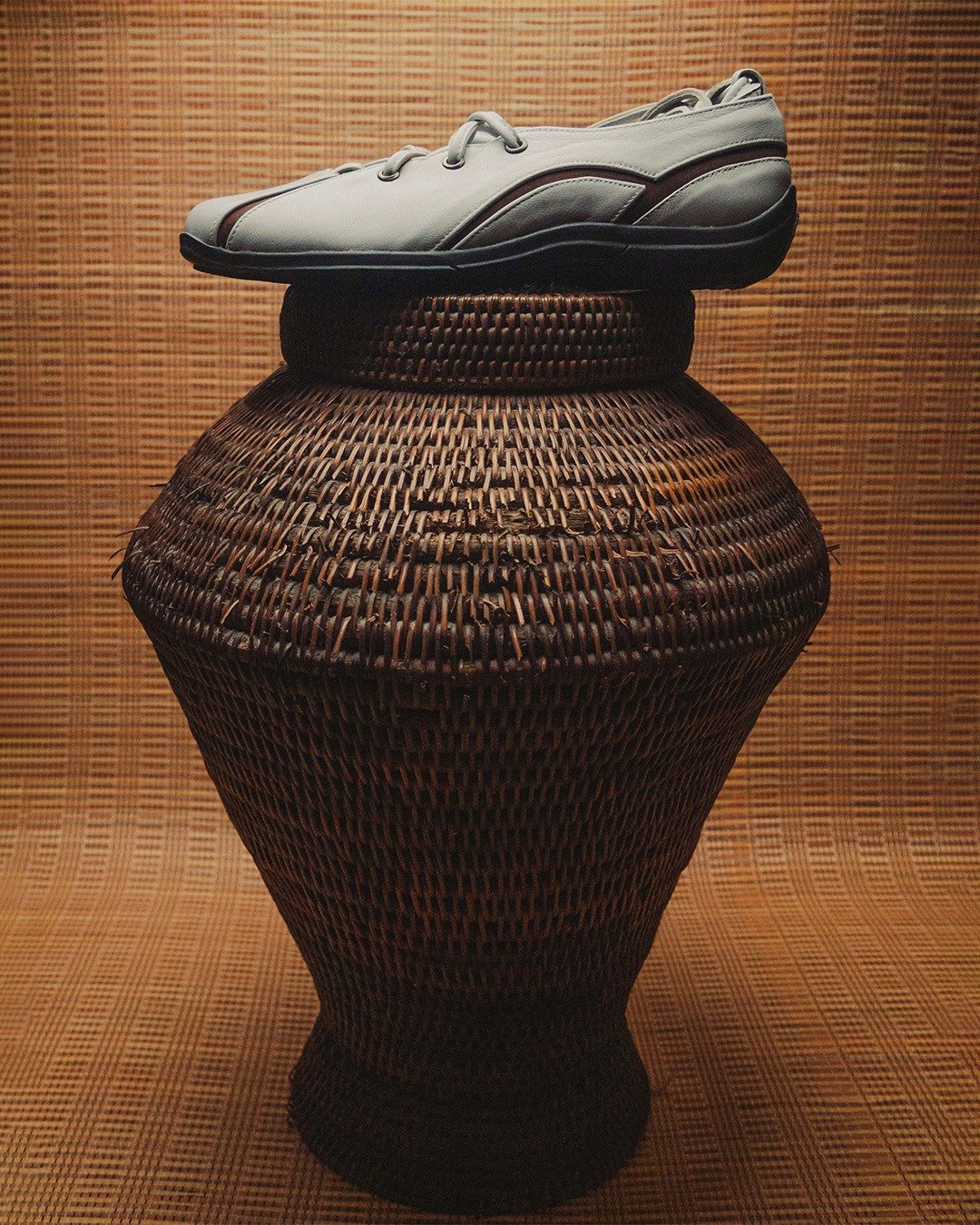
Honoring the Craft in Marikina
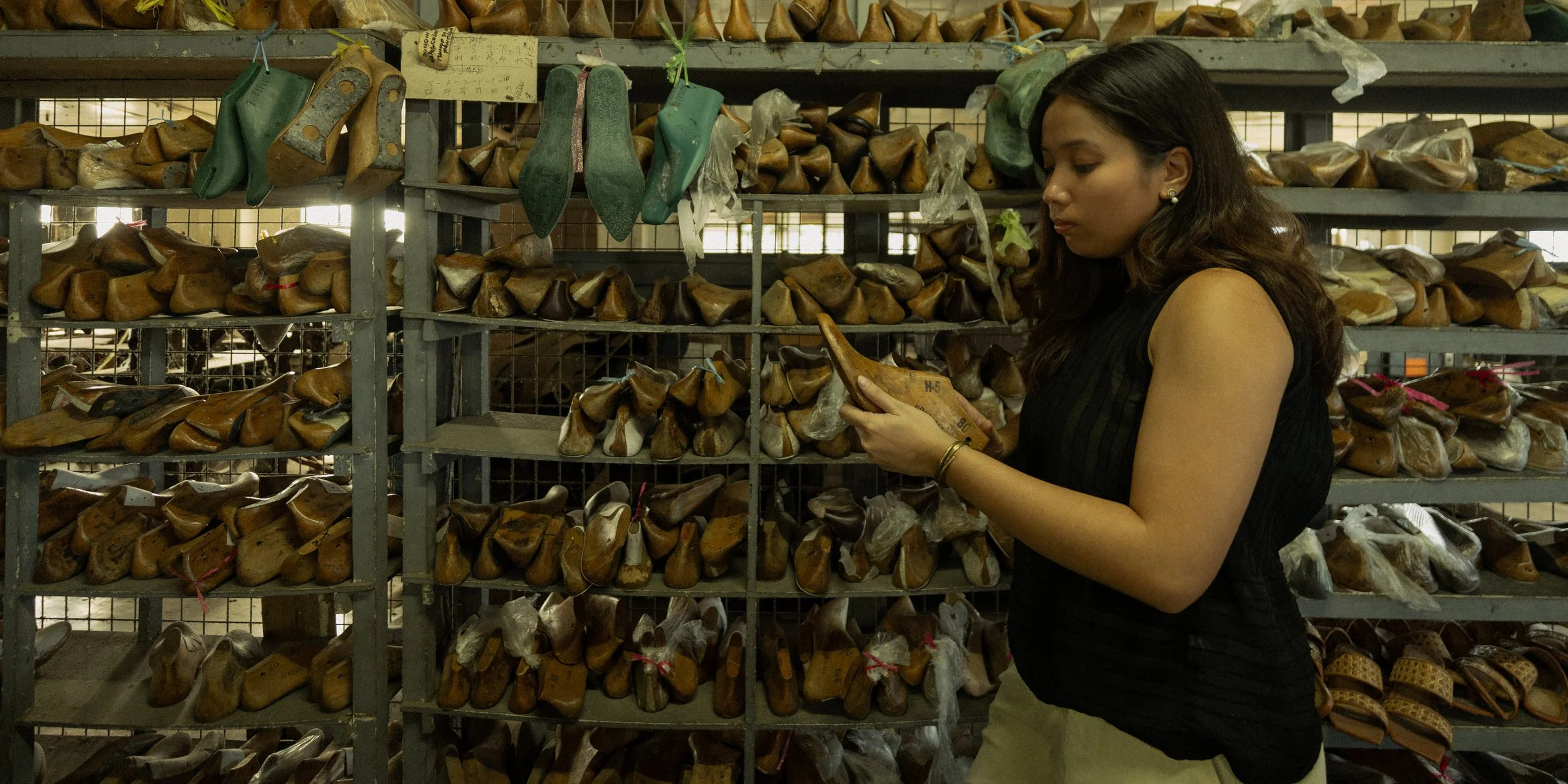
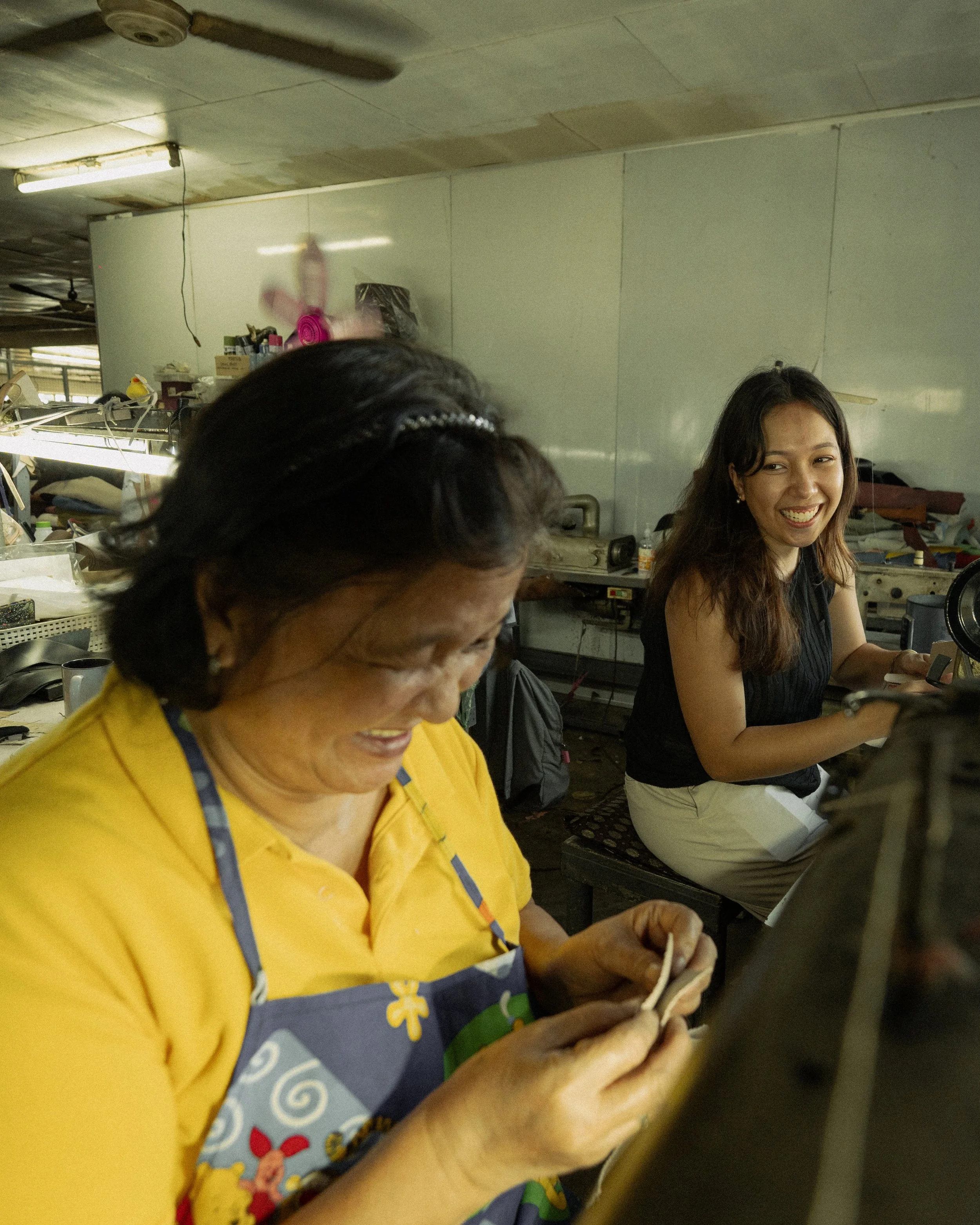
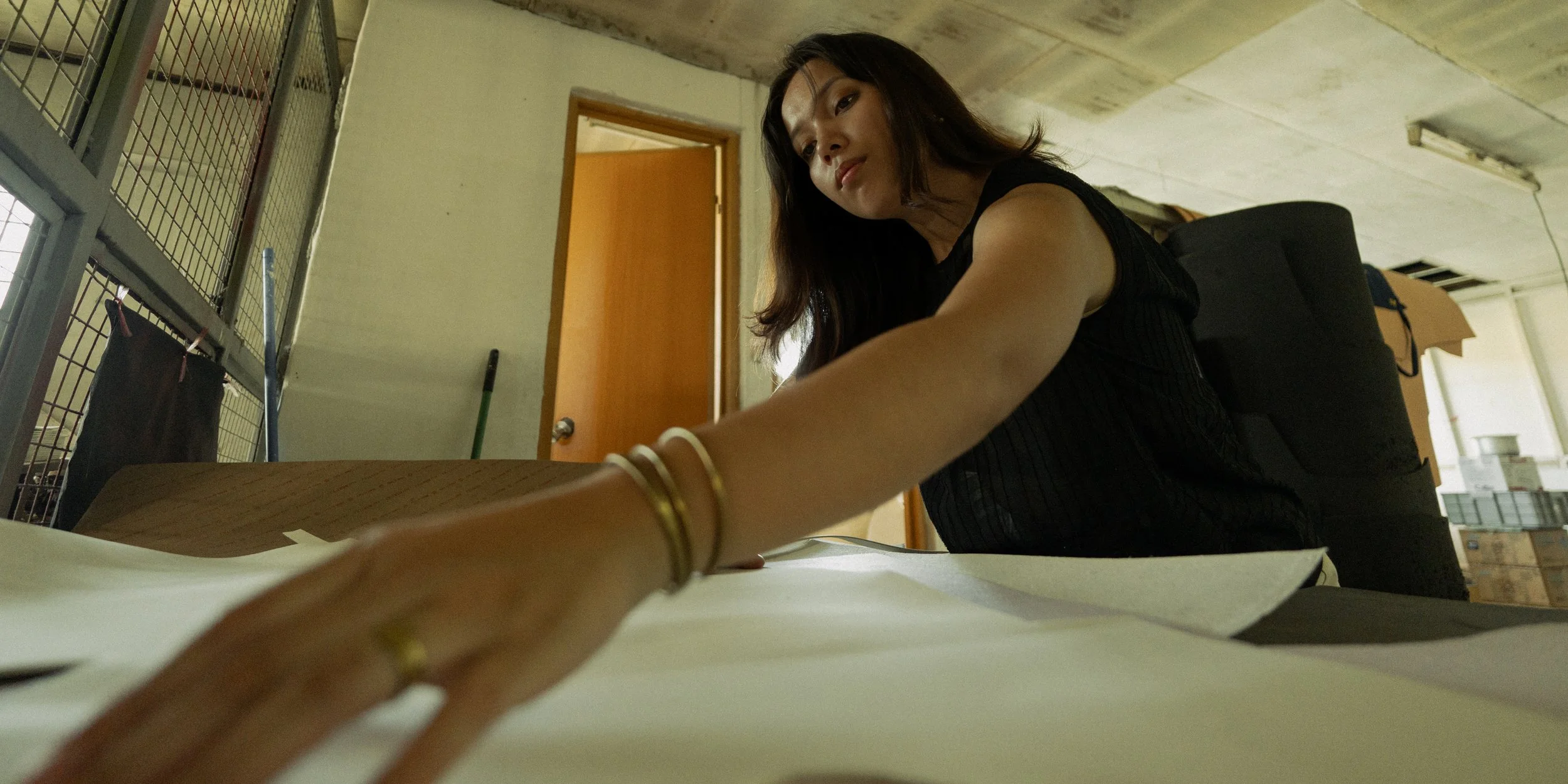
For any Filipino shoe designer, Marikina is the ultimate proving ground. It is a city built by master cobblers, but it is also an industry that has struggled against cheap imports. For Hayo, entering this world required a blend of humility and collaboration. "I always strive to maintain a collaborative relationship with our shoemakers. My primary goal is to keep this traditional craft thriving, which also means inspiring the new generation to take an interest. Whenever we develop prototypes, I make it a point to listen to their suggestions and incorporate them whenever possible," Evita said.
This isn’t a top-down relationship. It is a conversation. Moving from student to business owner brought steep challenges, and Evita realized that her playful and niche designs wouldn't easily break into a mainstream market that often demands either strictly sporty or strictly formal options. "I had to learn how to truly connect with an audience that values tradition but is looking for something new," she mentioned. Through various setbacks, she has learned to "rely on my collaborators and trust my intuition; after all, I am my own target market, a Filipino designing for the Filipino.”
Building Stories, Not Just Shoes
One of the most striking things about Hayo is the refusal to be boxed into a single aesthetic. While many brands chase a signature look, Hayo focuses entirely on the narrative. "To be honest, I don’t think I have a ‘signature’ style. Instead of sticking to one look, I’m always on the hunt for a Filipino-rooted story before I even start a product. I want the story to lead the design, not the other way around," Evita admits.
In an industry where beauty is often equated with pain, Hayo rejects the cliché. Evita believes that understanding foot anatomy is a must if you want to balance comfort with aesthetics. "You can actually create a high-fashion look without sacrificing comfort; you just have to be willing to exhaust every option when it comes to how the shoe is constructed," she says. When she sketches, she isn't thinking of a runway. Instead, she is thinking of a specific person’s day-to-day existence, noting that "you need a clear vision of that person’s day-to-day life to design something that actually makes sense for them," she said.
As the brand grows, Evita remains anchored to the roots she planted in Candelaria. When creative blocks hit, she zooms out and grabs dinner with fellow creatives to find fresh inspiration. She believes that "you can’t tell a good story without having one yourself," she mentioned. Her message for the next generation of designers is one of patience and grace. "In an industry that feels like it’s constantly sprinting, it’s easy to feel like you’re falling behind if you don’t have it all figured out immediately. But looking back at my own journey, I’ve realized that the best ideas usually come when you give yourself the grace to ‘zoom out.’ Ultimately, remember that you’ll get there when you’re ready," Evita said.
Hayo’s journey is a testament to what happens when you respect the artisans, honor your origins, and stay curious about the mundane. It is a reminder that the most significant growth doesn't happen in a sprint. Instead, it happens in a long and intentional walk. #CoolFashion #CoolisinSession
Interviewed and Written by: Lanz Bendana
